


9th International Symposium on Phospholipids in Pharmaceutical Research
Meeting Report
by Simon Drescher (Phospholipid Research Center, Heidelberg, Germany)
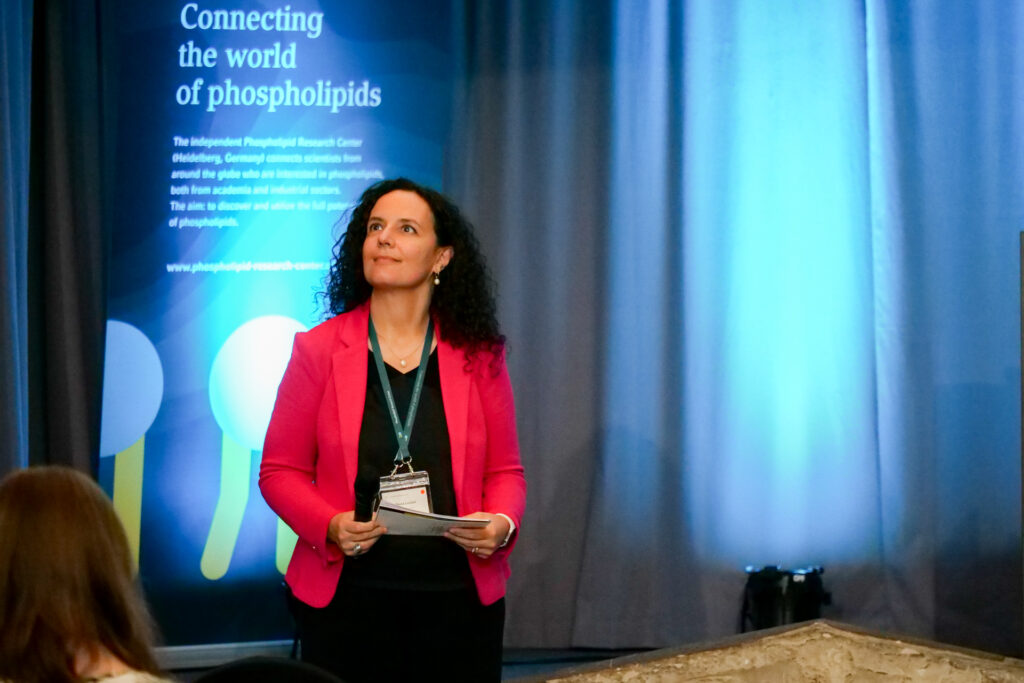
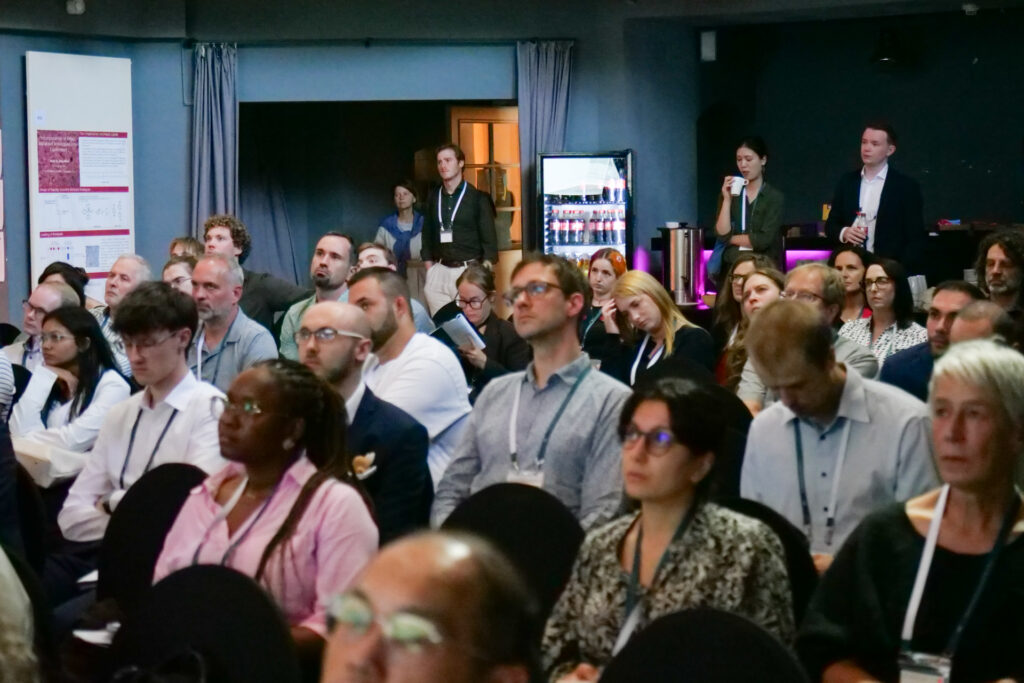
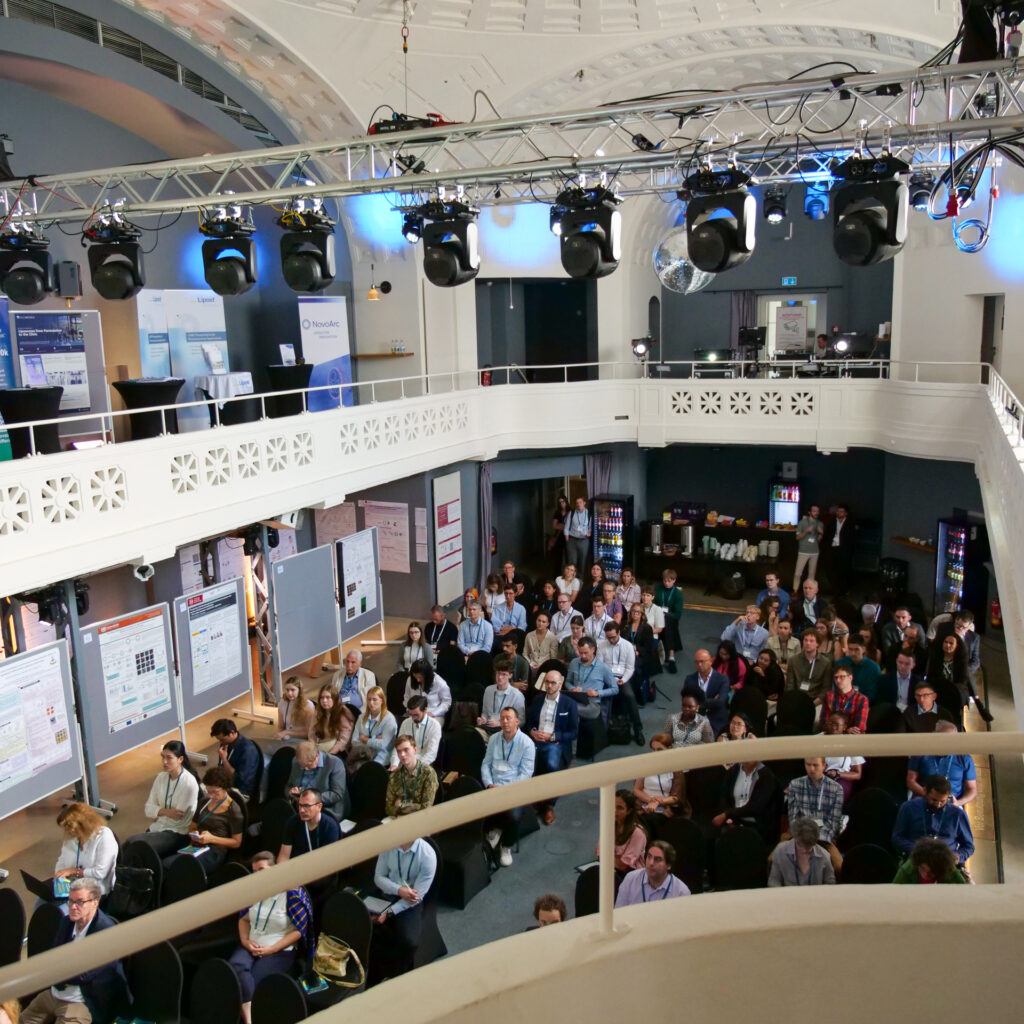
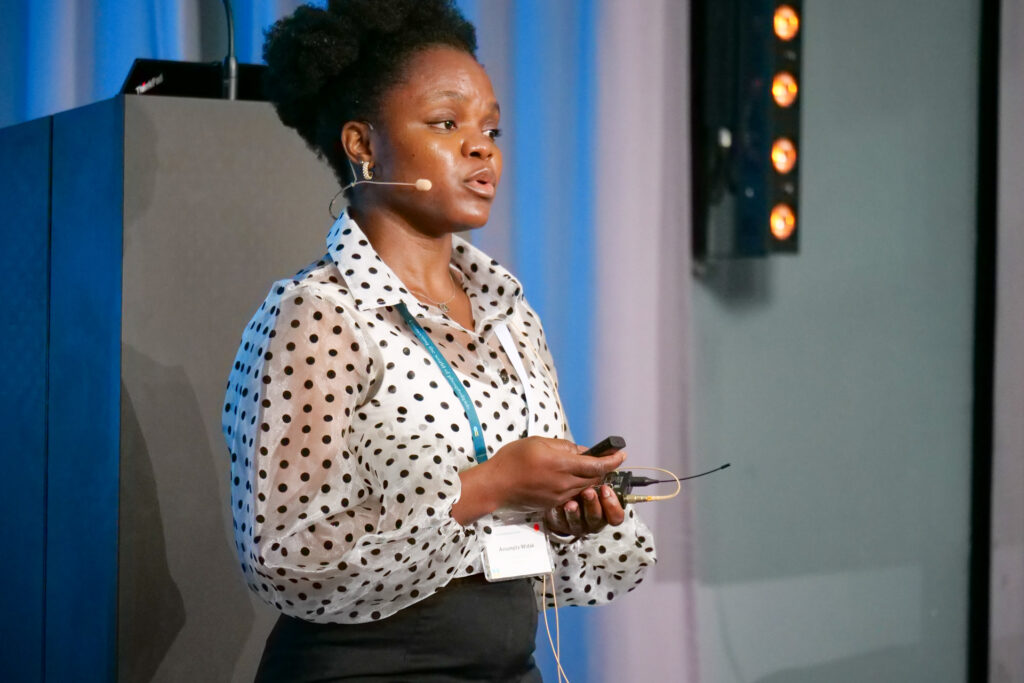
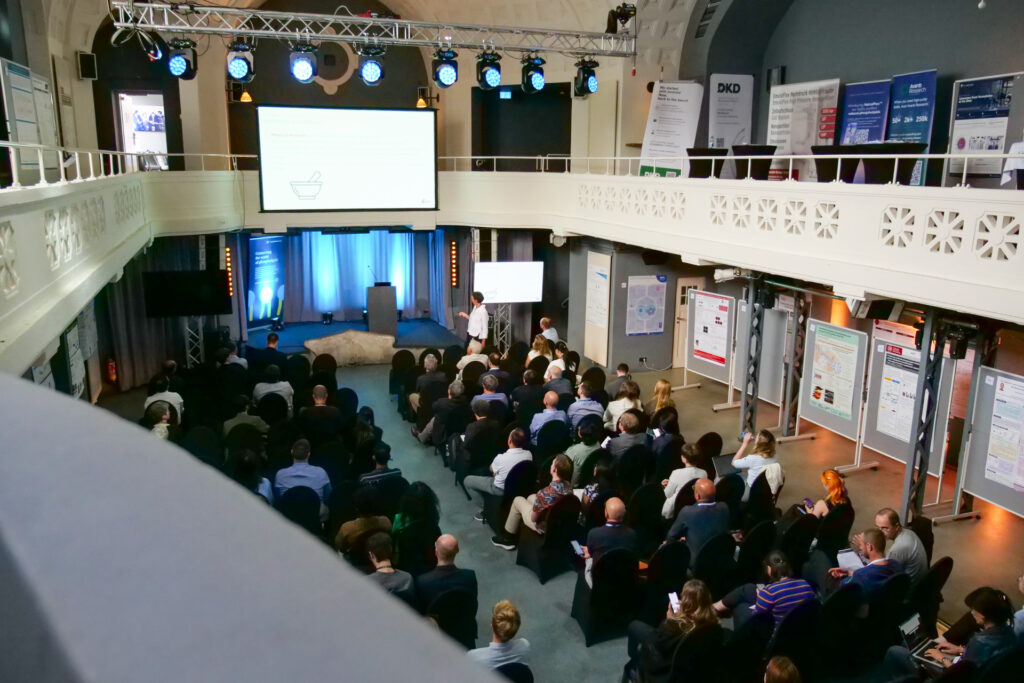
From August 31 to September 2, 2026, the Phospholipid Research Center welcomed 130 participants from 26 countries to Heidelberg for the 9th International Symposium on Phospholipids in Pharmaceutical Research. Held at the historic Frauenbad in the Altes Hallenbad, the three-day meeting once again brought together researchers from academia and industry to discuss recent developments in phospholipid science and pharmaceutical research.
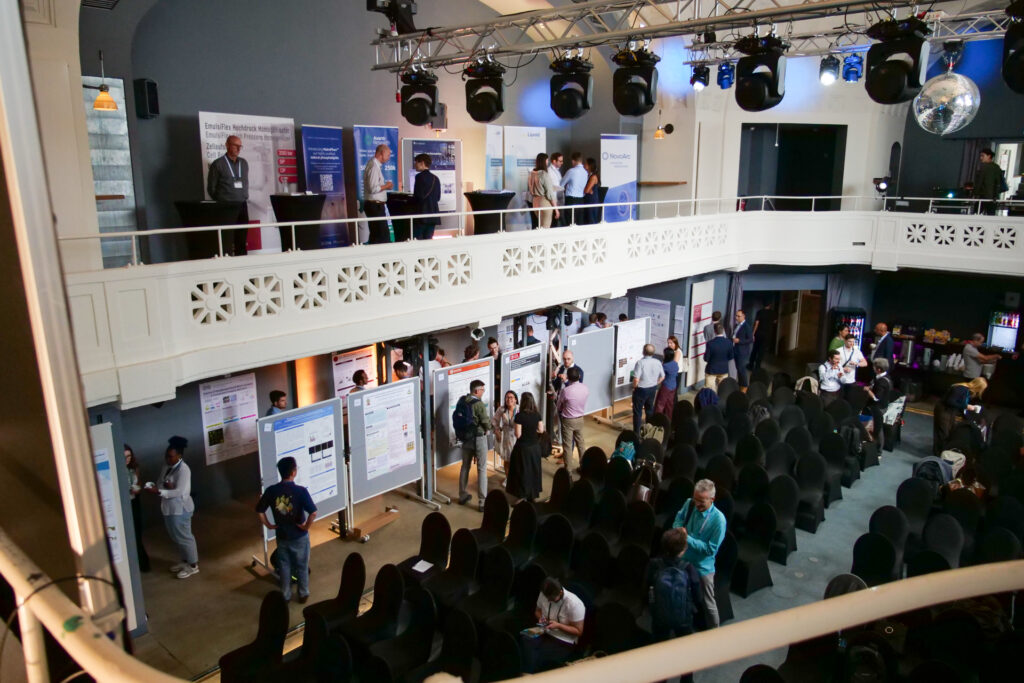
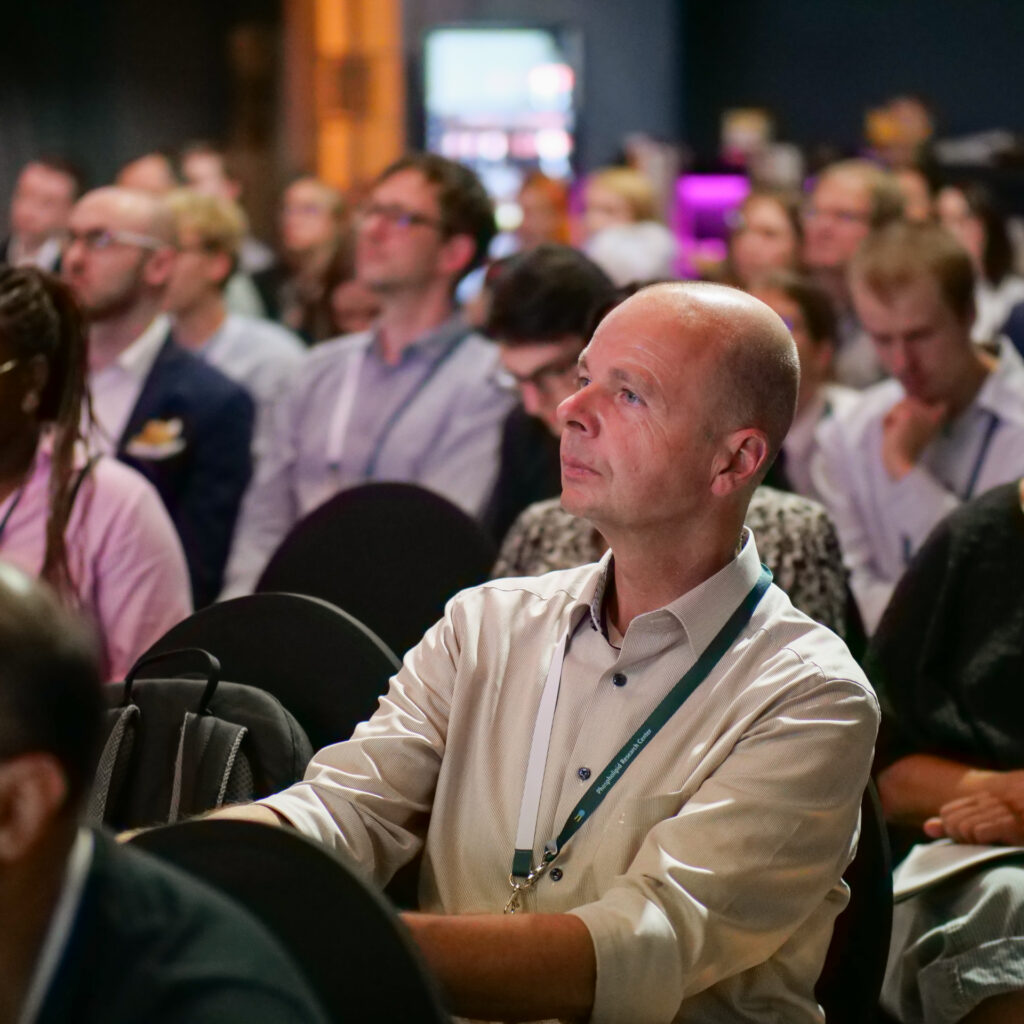
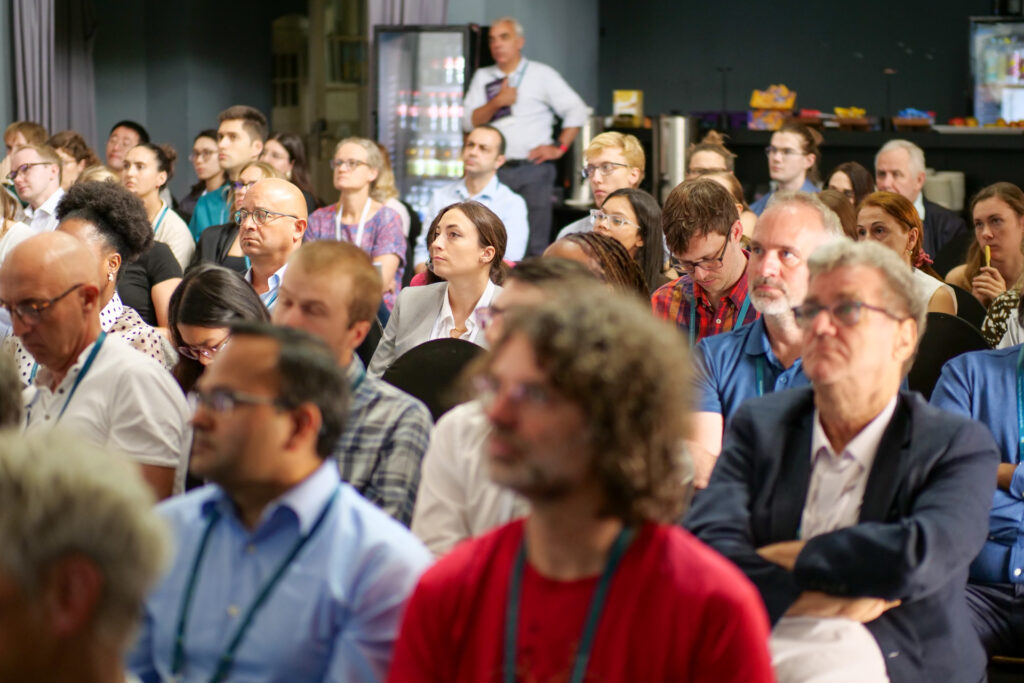
The strong participation of young scientists was particularly encouraging: 44 students attended the symposium, accounting for more than one third of all participants. Together with 17 participants from industry, this created a highly diverse audience spanning different career stages, scientific disciplines, and professional backgrounds. The breadth of the meeting was also reflected in 58 poster contributions, which filled the venue and ensured lively scientific exchange throughout the poster sessions.
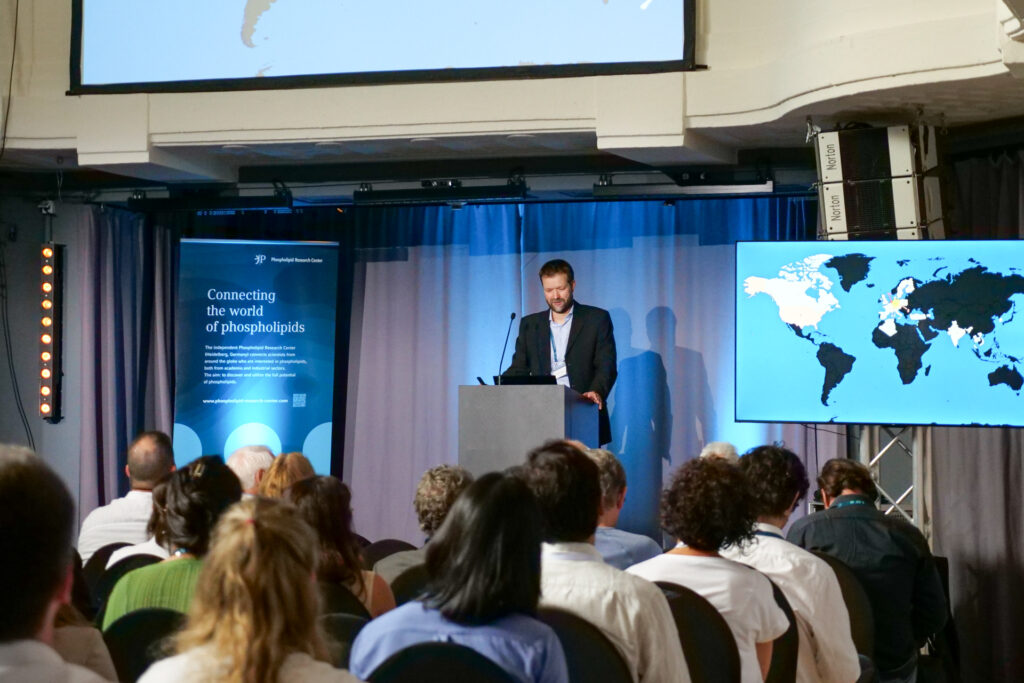
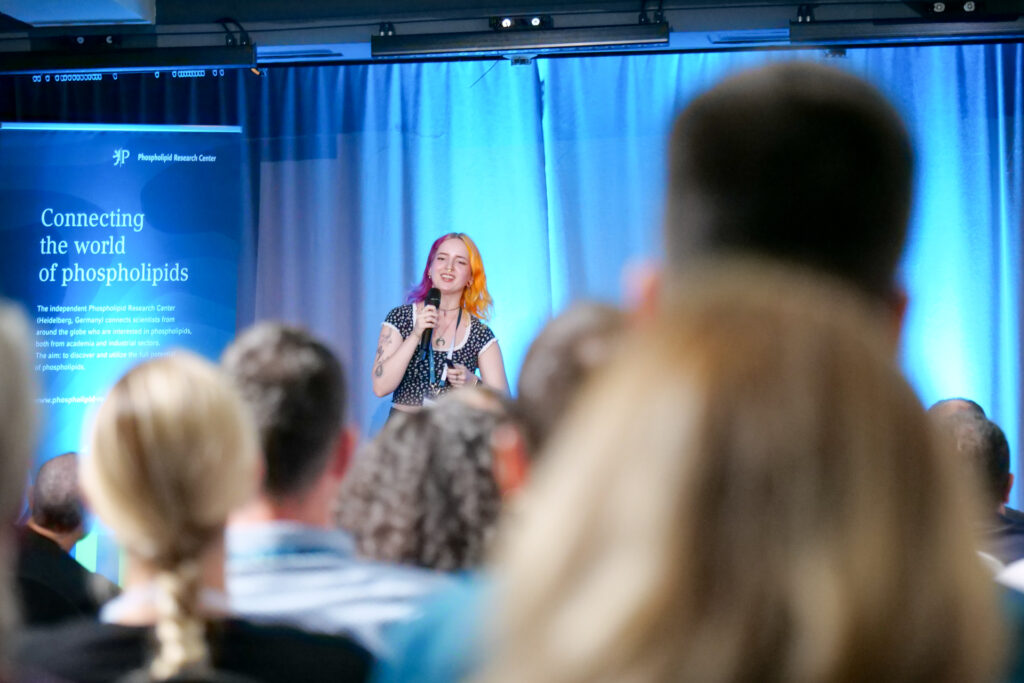
To further emphasize the international character of the symposium, a new format was introduced in 2026: the Global Spotlight Flash Talks. Three researchers representing countries from different parts of the international phospholipid community were invited to present their work in concise three-minute talks, giving additional visibility to the remarkable geographical diversity of this year's meeting.
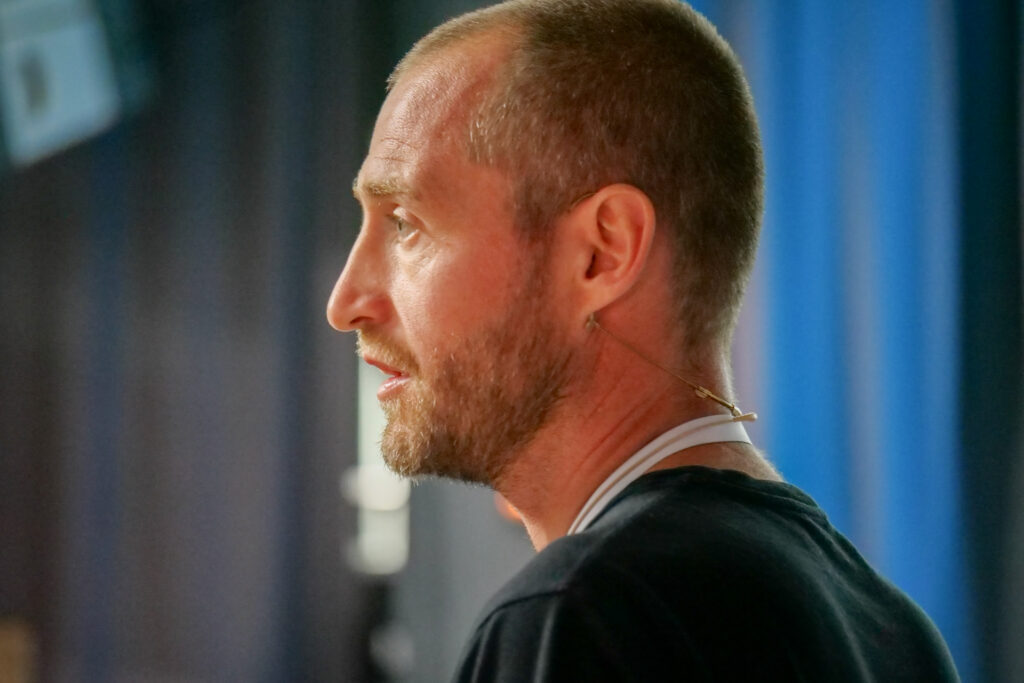
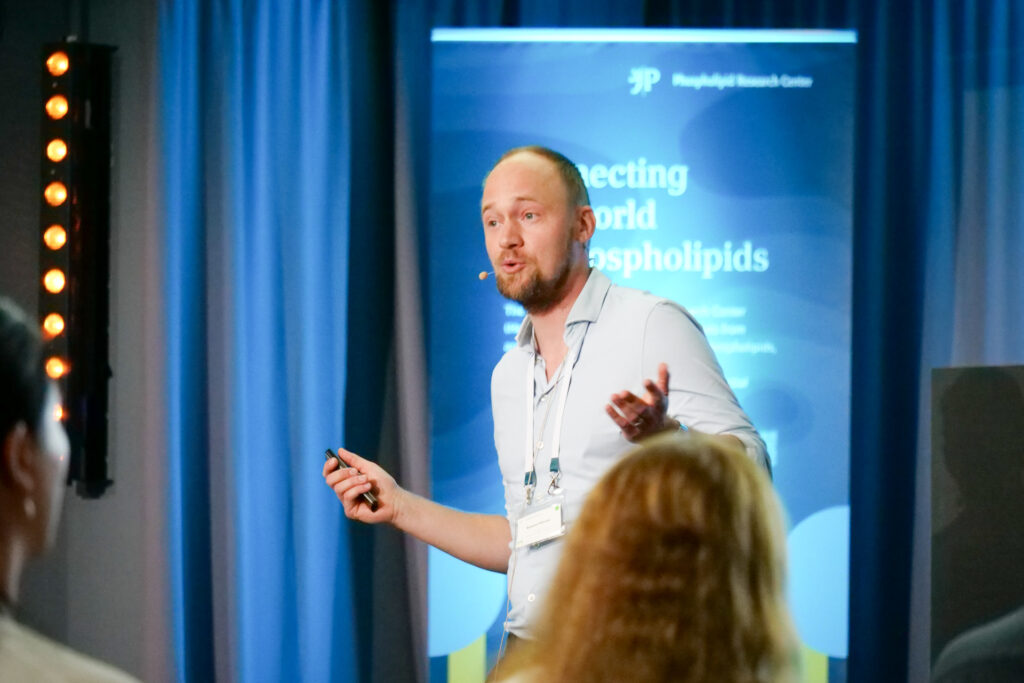
Scientific exchange extended well beyond the lecture program. Discussions after the presentations were active and often continued into the breaks and poster sessions. The Frauenbad provided an atmospheric setting for these interactions, complemented by the Networking Buffet on Monday evening and the Conference Dinner on Tuesday. Even a sudden rain shower during Monday's lunch break caused little disruption: the buffet was quickly relocated from the upper terrace to a nearby indoor venue, turning an unplanned change into a seamless part of the meeting.
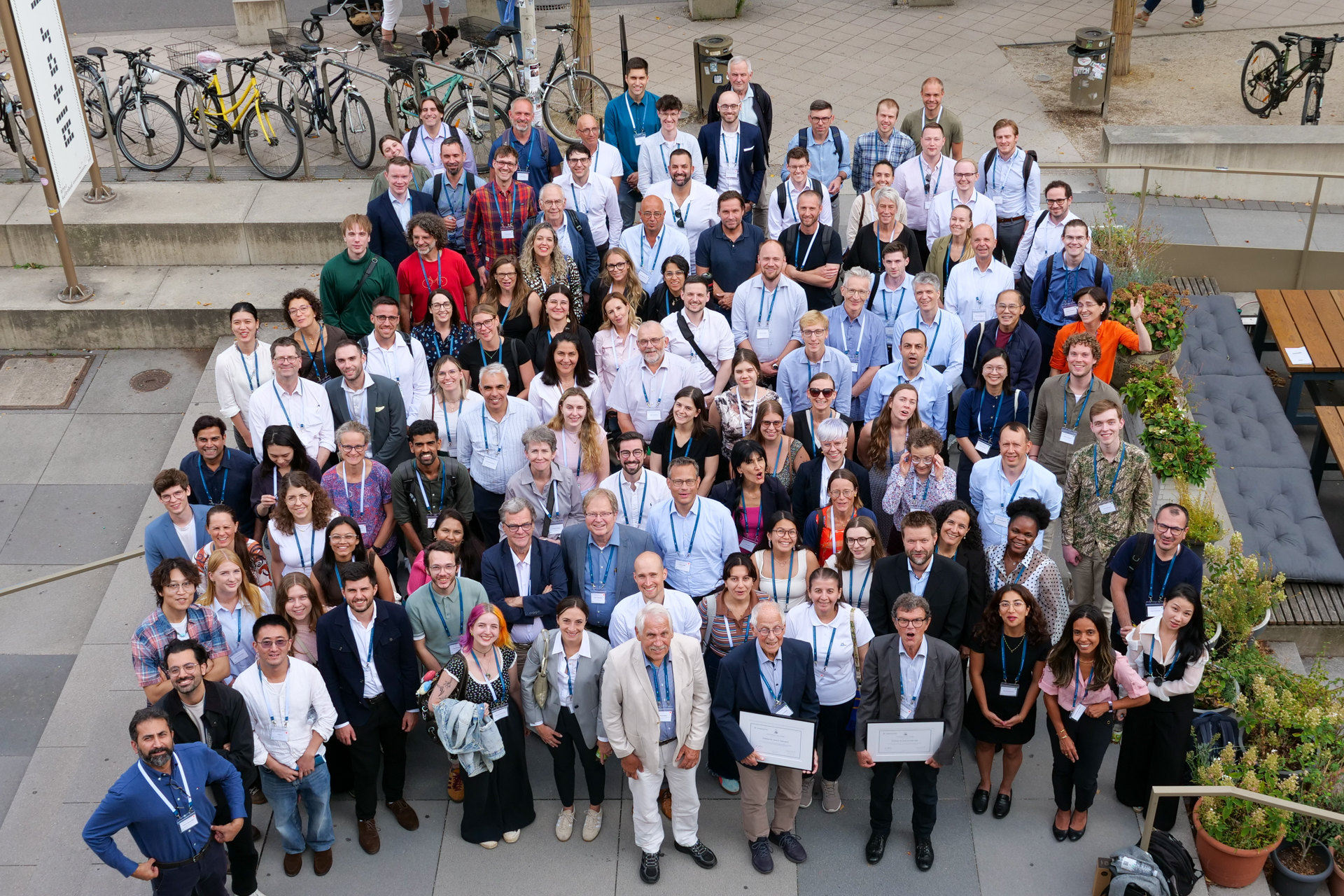
Participants of the 9th International Symposium on Phospholipids in Pharmaceutical Research, Heidelberg 2026 (Credit: Ina von Jeinsen).
Program
Here you can download the final program of the Symposium.
Session 1: Crossing Biological Barriers: Intracellular Delivery and Permeation Concept
The opening session focused on one of the central challenges in modern drug delivery: transporting therapeutics across biological barriers and into the appropriate intracellular compartment.
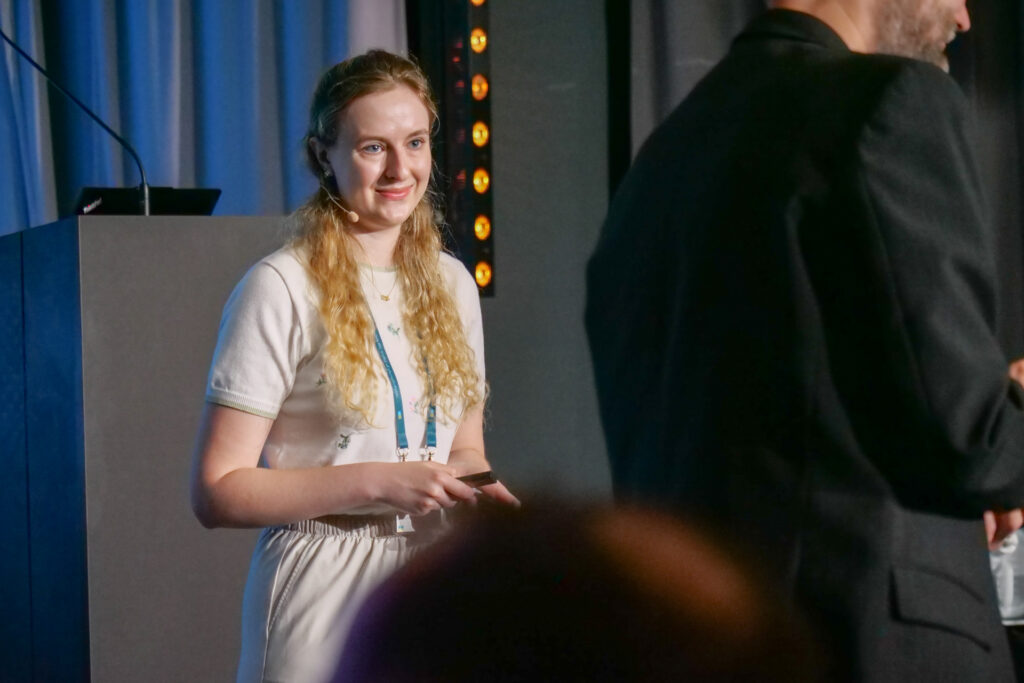
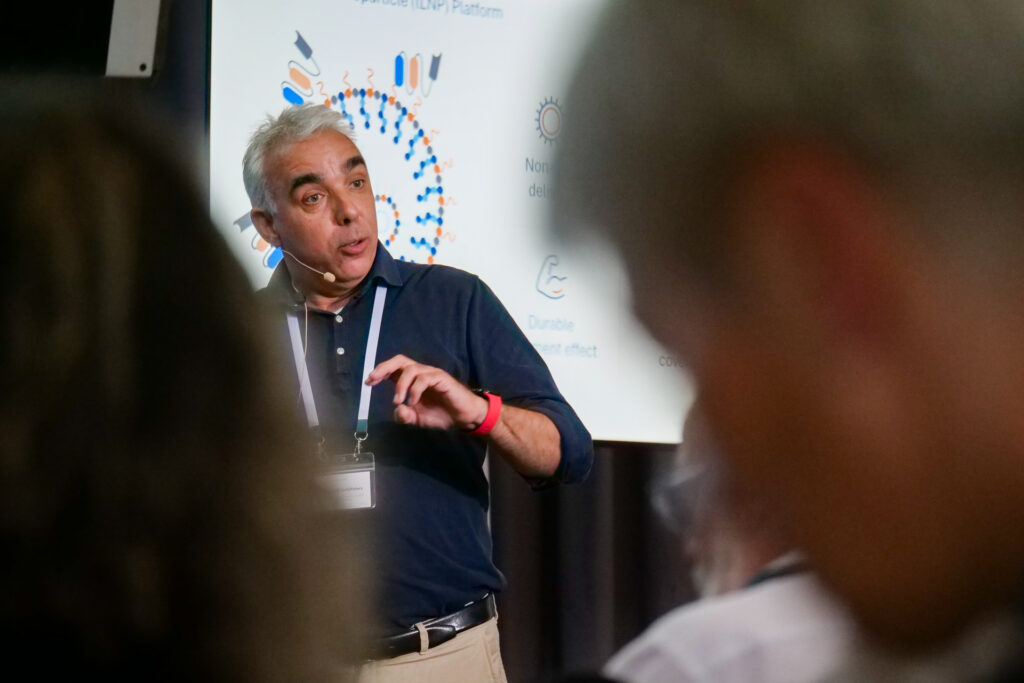
Stefaan De Smedt presented complementary pharmaceutical and physical strategies for intracellular delivery of biotherapeutics, including lipid-based nanocarriers and laser-assisted approaches for ocular applications. Monika Aitenbichler (short talk) reported on sphingolipid-containing lipid nanoparticles (LNPs) designed to improve CNS targeting, identifying formulation parameters that strongly influenced particle properties and cellular uptake.
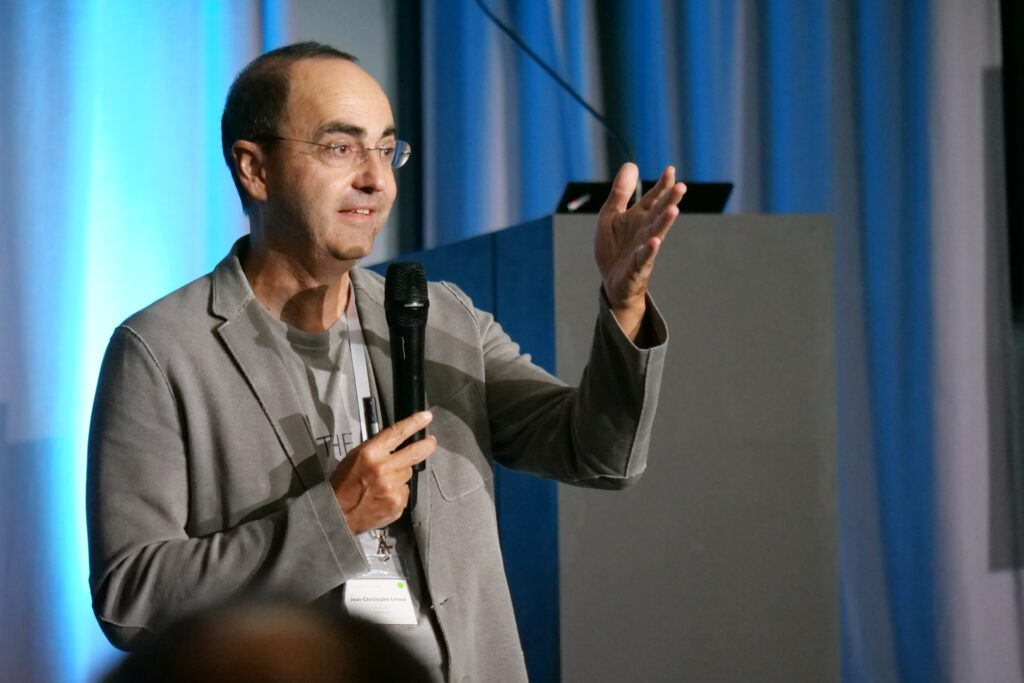
Jean-Christophe Leroux introduced phospholipases as a novel class of biological permeation enhancers. Their membrane-modifying activity was explored both to promote endosomal escape in nucleic acid delivery and to enhance peptide absorption across mucosal barriers.
The importance of accurately assessing endosomal escape was further highlighted by Jan Šimek (short talk), who demonstrated that membrane fusion alone does not necessarily indicate successful cargo delivery. Using giant unilamellar vesicles (GUVs) combined with fluorescence correlation spectroscopy (FCS), his work enabled direct quantification of nucleic acid transport across model membranes.
Completing the session, Heiko Heerklotz discussed how combinations of lipids and surfactants can be used to control membrane permeability, triggered release, and drug transfer, illustrating how detailed understanding of lipid-surfactant interactions can guide the rational design of advanced delivery systems.
Presentation Stefaan De Smedt
Presentation Monika Aitenbichler
Presentation Jean-Christophe Leroux
Presentation Jan Šimek
Session 2: Targeted Nanomedicines and Advanced Therapies
Session 2 combined invited lectures on cell- and tissue-targeted nanomedicines with two compact presentation formats that brought additional research perspectives to the main program.
Raymond Schiffelers presented targeted LNPs for the in vivo generation of CAR T cells, combining T-cell-specific targeting with delivery of minicircle DNA and transposase mRNA. In preclinical studies, the approach enabled stable, non-viral CAR expression and illustrated the potential of LNPs to simplify complex cell-based therapies.
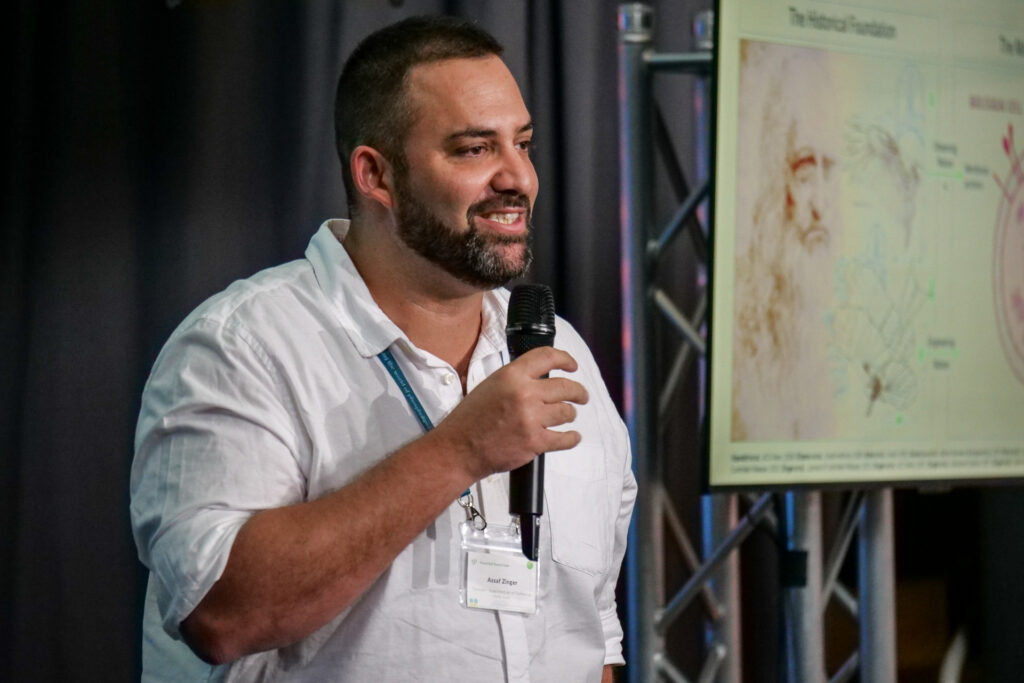
Assaf Zinger focused on biomimetic nanoparticles that incorporate biological membrane components to reproduce natural cellular targeting mechanisms. By tuning membrane-protein composition and nanoparticle architecture, such systems were designed to improve targeting of inflamed tissues and neuronal cells.
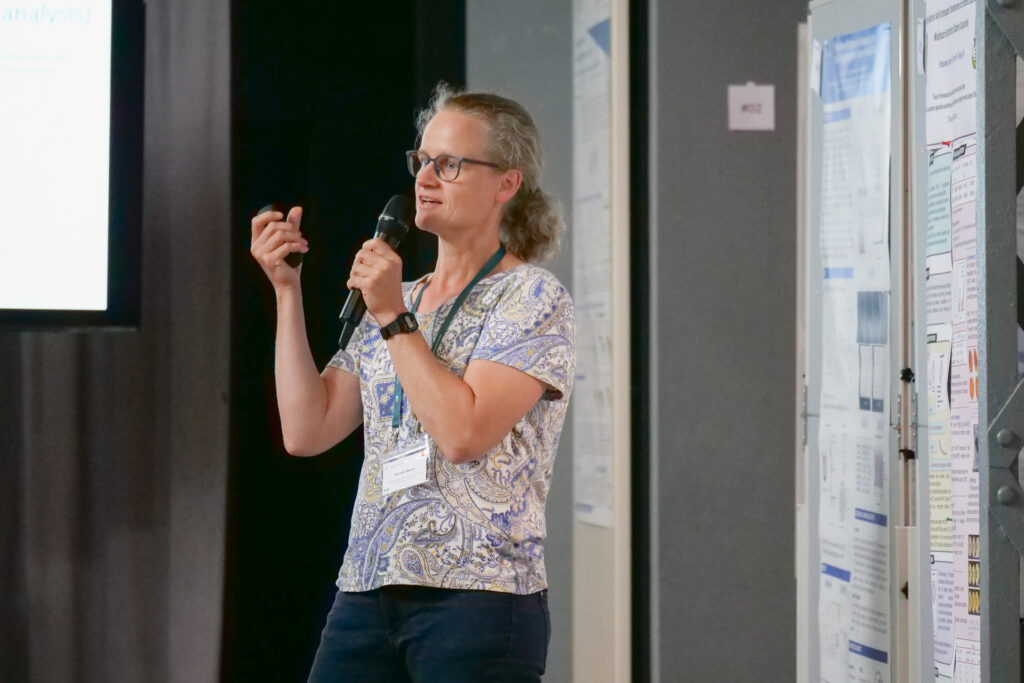
Between these invited lectures, eight selected Poster Flash Talks provided three-minute snapshots of research ranging from LNP formation and membrane asymmetry to liposome biodistribution and RNA delivery. For the first time, the symposium also featured the Global Spotlight Flash Talks, a new format created to reflect the geographical diversity of the meeting. Three participants from New Zealand, Lebanon, and Azerbaijan presented their work in concise three-minute talks, adding an explicitly international perspective to the session and to the symposium program as a whole.
Presentation Raymond Schiffelers
Presentation Assaf Zinger
Session 3: Membrane and Nano-Bio Interfaces
Session 3 shifted the focus from delivery vehicles themselves to the physicochemical principles governing membranes and nano-bio interfaces. The talks emphasized that phospholipid research extends far beyond liposomes and LNPs, encompassing membrane organization, particle-protein interactions, vesicle structure, and fundamental biophysical characterization.
Anna Salvati discussed how the physicochemical properties of lipid-based carriers influence their interactions in complex biological environments. Particular attention was given to protein corona formation, cellular uptake, intracellular trafficking, and the role of properties such as particle rigidity and surface charge in determining biological behavior.
Ana Luisa Schulze zur Wiesche (short talk) showed how buffer composition, concentration, and extrusion conditions jointly affect the lamellarity and membrane thickness of POPC vesicles, underlining that vesicle structure is highly sensitive to seemingly simple formulation parameters. Kirsten Bacia (short talk) presented fluorescence cross-correlation spectroscopy (FCCS) as a versatile approach for characterizing lipid particles, including size, cargo loading, and protein binding.
Milka Doktorova concluded the session with a broader membrane-biophysics perspective, focusing on the “dual-face” nature of biological membranes. Her lecture highlighted how lipid asymmetry across membrane leaflets can generate internal stresses and influence membrane properties and protein interactions, illustrating the continuing importance of fundamental phospholipid biophysics for understanding cellular function.
Presentation Ana Luisa Schulze zur Wiesche
Presentation Kirsten Bacia
Special Lecture: AI, Publishing, and Scientific Integrity
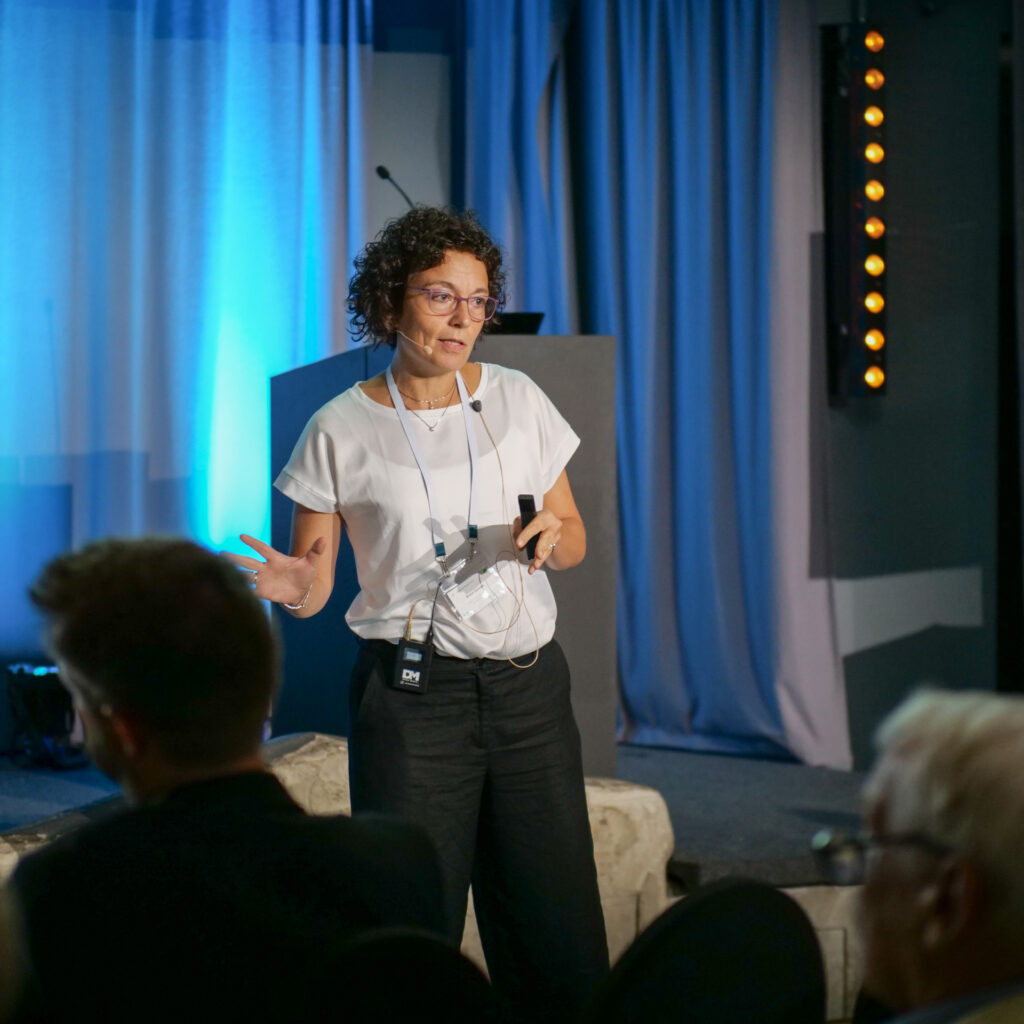
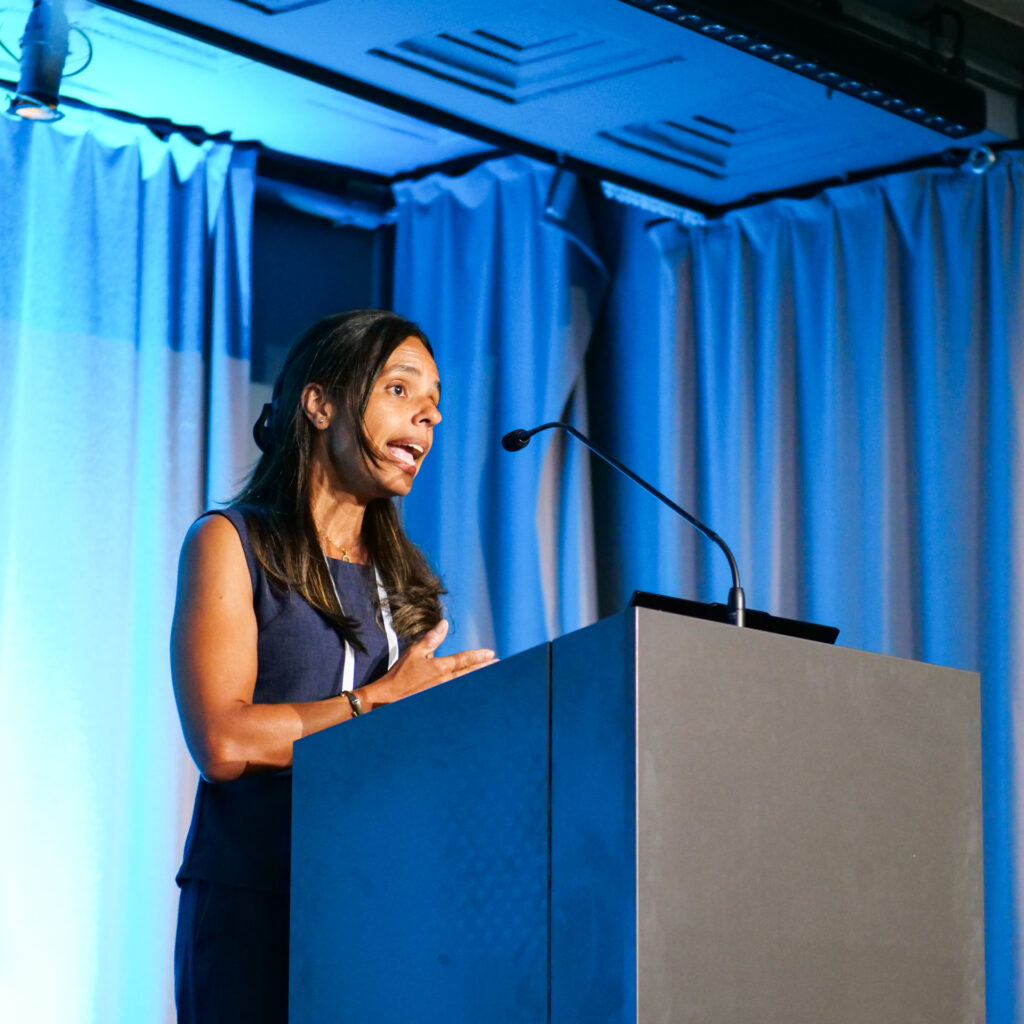
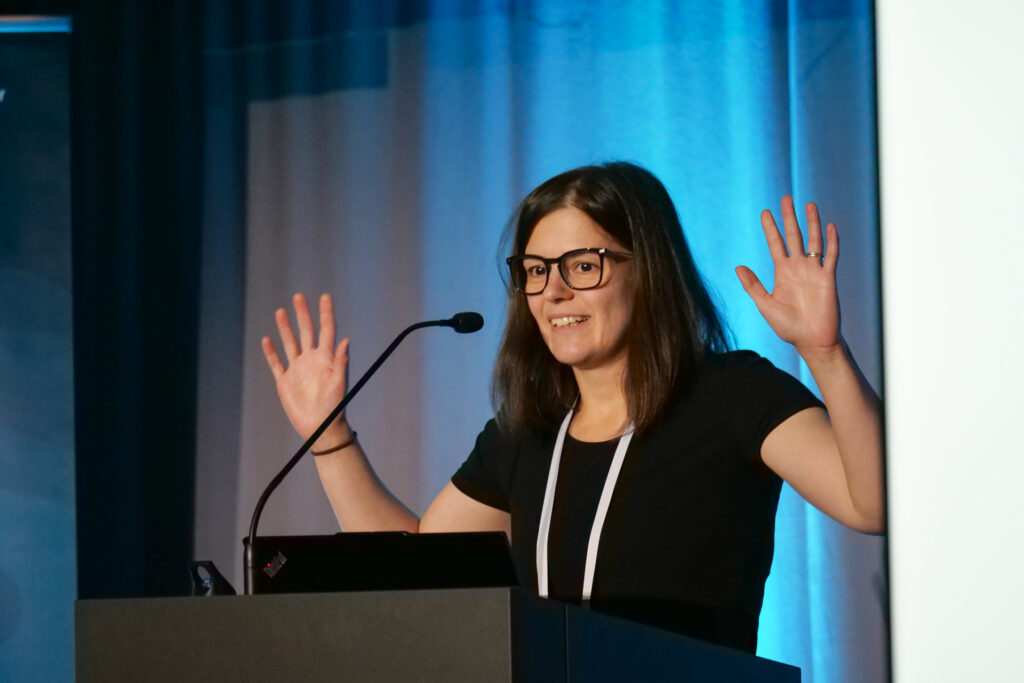
A special lecture by Christine Mayer addressed a topic reaching far beyond phospholipid research: the rapidly growing role of generative artificial intelligence (AI) in scientific publishing.
Her presentation examined both the practical opportunities and the emerging risks associated with AI-assisted scientific writing and publishing workflows. Particular attention was given to questions of authorship, transparency, copyright, data privacy, bias, verification of AI-generated content, and the continuing responsibility of human authors.
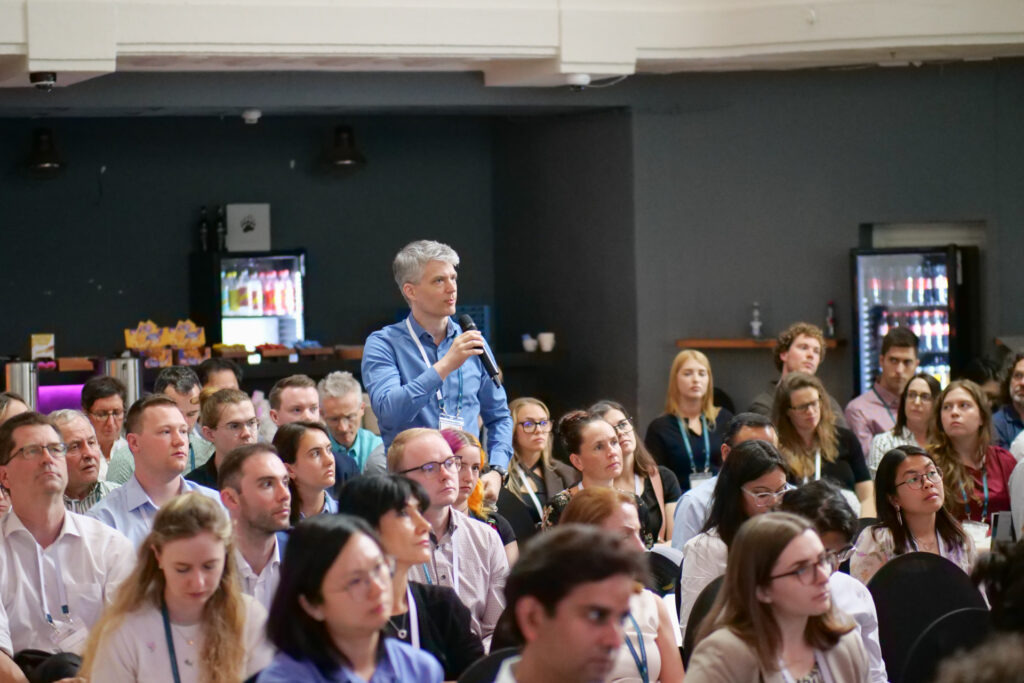
The lecture prompted an especially lively discussion among participants, reflecting how quickly AI is becoming part of everyday scientific practice while established standards for responsible use are still evolving. The debate made clear that the impact of AI on scientific communication and research integrity will remain an important topic for the research community well beyond this symposium.
Session 4: Immune Modulation and Tolerance by Lipid Systems
The second day opened with a session on how phospholipid-based systems can actively shape immune responses, ranging from tumor immunology to the restoration of immune tolerance in autoimmune disease.
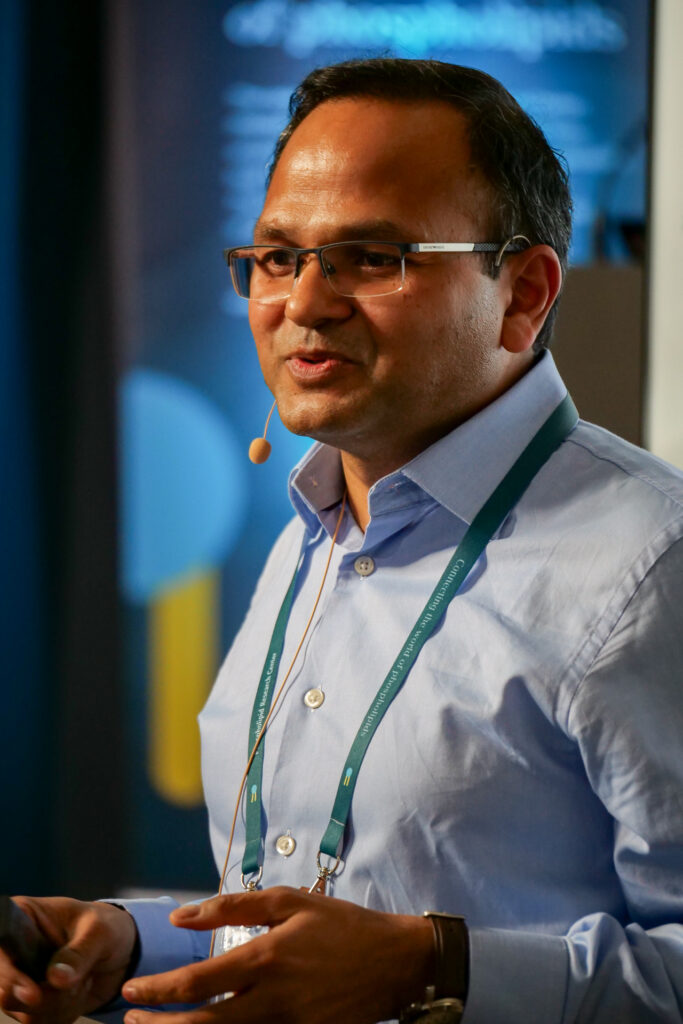
Jai Prakash presented engineered nanoliposomes designed to exploit phospholipid-immune cell interactions for targeting tumor-associated macrophages. By exposing a carboxylated lipid moiety at the particle surface, these liposomes preferentially targeted immunosuppressive macrophage populations and, when loaded with an immune-stimulating payload, substantially reduced metastatic burden in preclinical models.
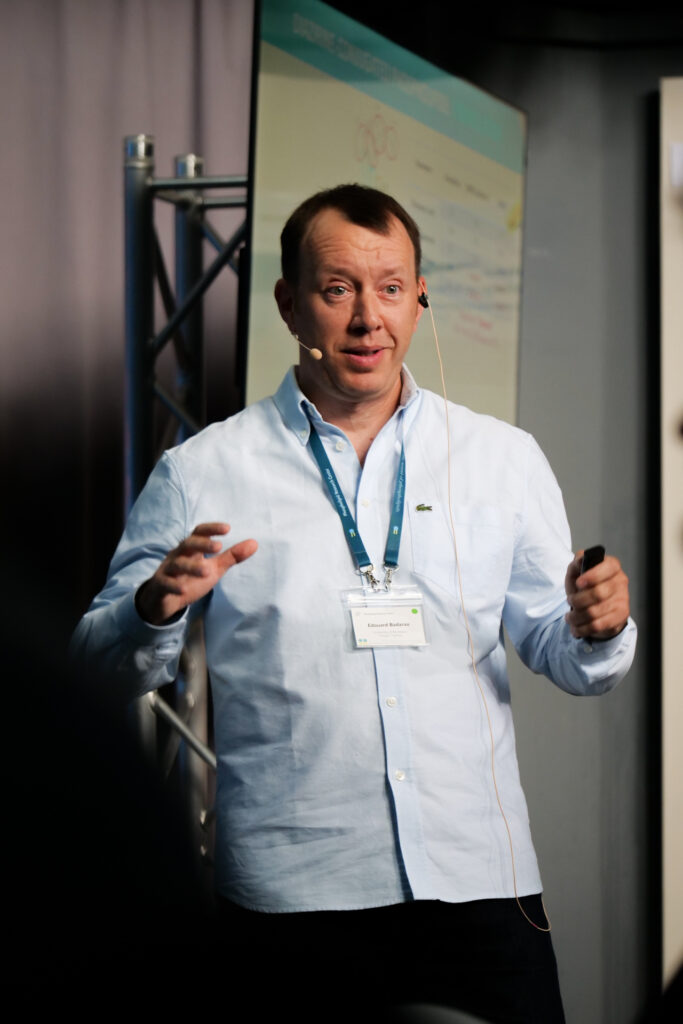
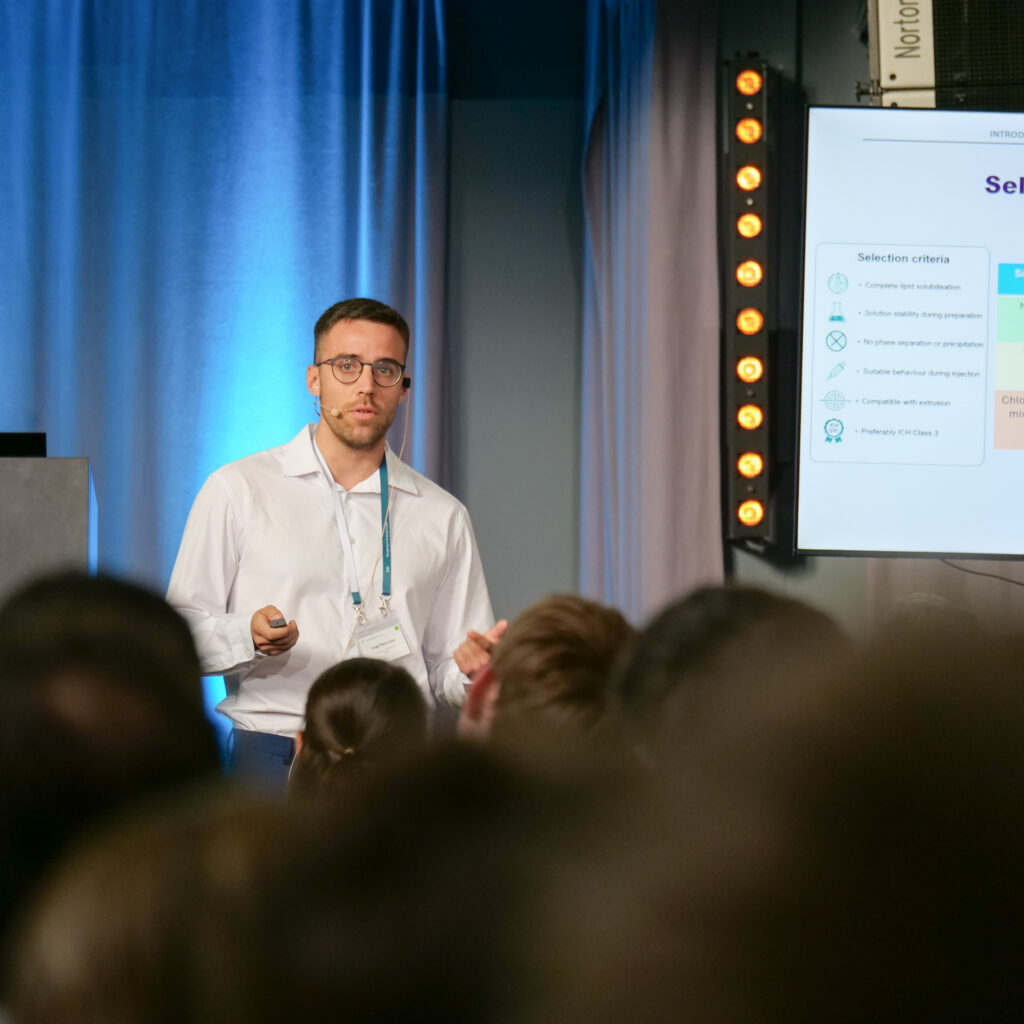
Edouard Badarau (short talk) introduced novel amphiphilic phospholipid structures for externally triggered drug delivery, including additive-free, light-responsive systems in which the phospholipid itself functions as the stimulus-sensitive component. Jorge Plaza (short talk) presented phosphatidylserine-containing liposomes mimicking apoptotic cells and carrying multiple myelin-derived peptides as a strategy to restore antigen-specific immune tolerance in multiple sclerosis.
Naomi Benne discussed the role of anionic phospholipids in inverse vaccination. Using phosphatidylglycerol-containing liposomes and genome-wide CRISPR interference screening, her work identified cellular pathways involved in nanoparticle uptake. Together, the session illustrated how phospholipid composition can be used not only for delivery, but also as an active determinant of immune recognition and therapeutic response.
Presentation Jai Prakash
Presentation Edouard Badarau
Presentation Jorge Plaza
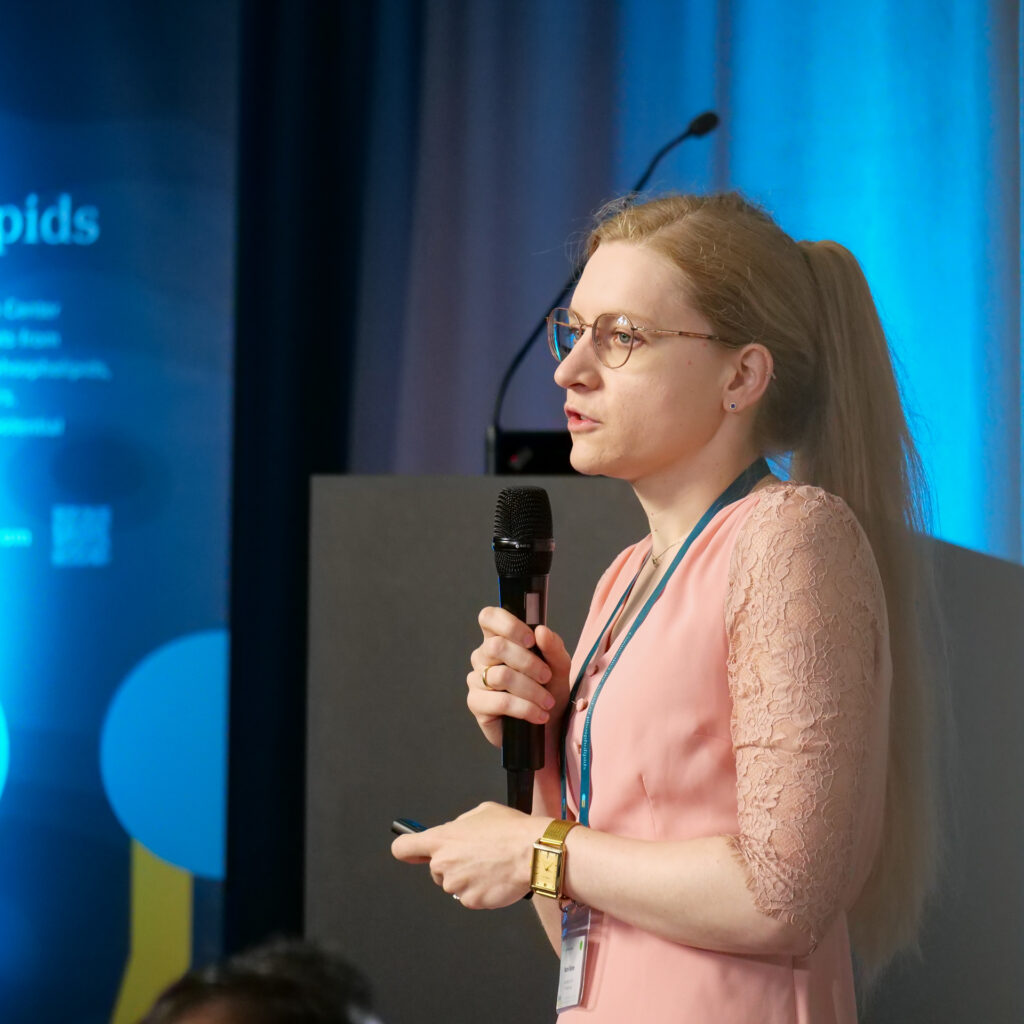
Session 5: Nanomedicine for Diseased Tissues: Cancer and Genetic Disorders
Session 5 focused on the translation of lipid-based nanomedicines into complex disease settings, with particular emphasis on cancer and genetic disorders.
Twan Lammers addressed several persistent challenges in cancer nanomedicine, including heterogeneous tumor accumulation, insufficient perfusion and distribution, and limited delivery to metastatic lesions. His presentation highlighted strategies to better predict and improve nanomedicine performance through imaging, histopathological biomarkers, patient stratification, and modulation of the tumor microenvironment. His talk prompted an extended discussion.
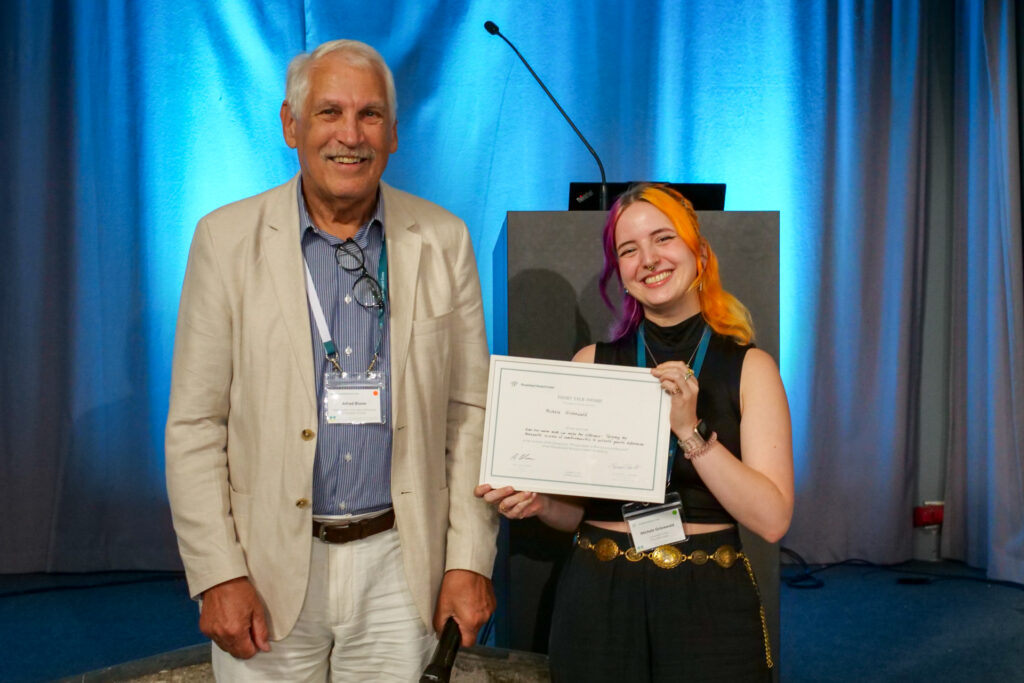
Michele Grünewald (short talk) demonstrated how genetic differences between patients can influence the efficacy of liposomal cancer therapy. Her work linked apolipoprotein E isoforms and LDL receptor expression to the uptake and therapeutic response of the liposomal leukemia drug CPX-351, illustrating the potential of genetic information to support more individualized nanomedicine strategies. Assumpta Widak presented polyenylphosphatidylcholine-rich liposomes that attenuated key hallmarks of ferroptosis in an in vitro model relevant to liver fibrosis.
Davide Brambilla concluded the session with an mRNA-based LNP approach for lysosomal acid lipase deficiency. In a preclinical model, the formulation supported intracellular enzyme production, reduced pathological lipid accumulation, and improved disease-associated hepatic parameters, highlighting its potential for restoring enzyme function.
Presentation Twan Lammers
Presentation Michele Grünewald
Presentation Assumpta Widak
Presentation Davide Brambilla
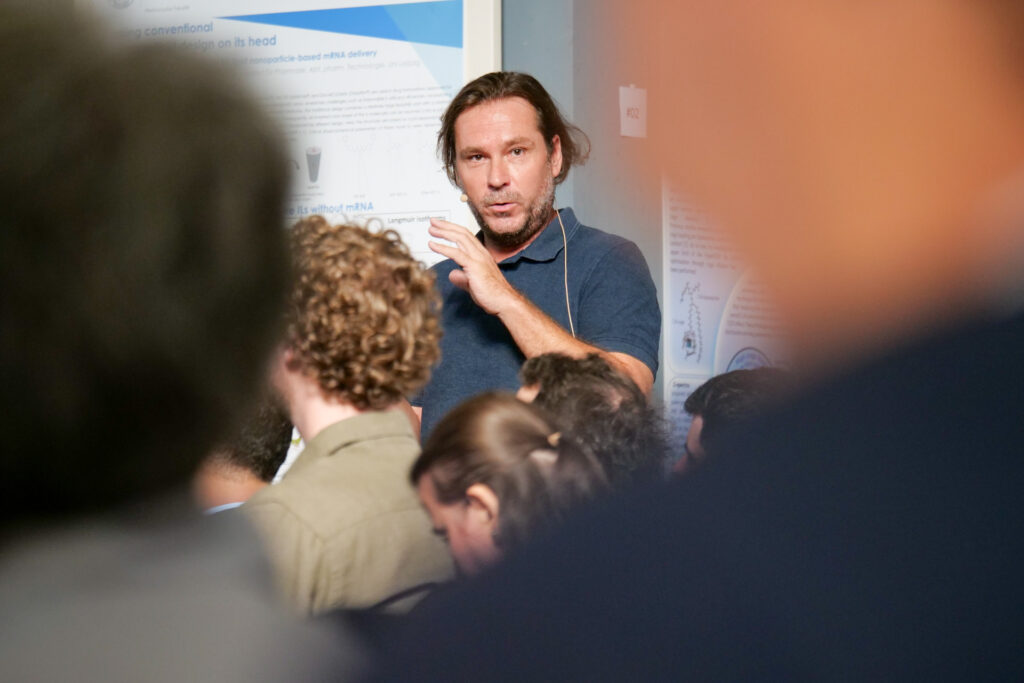
Session 6: Anti-Infective Lipid Systems and Host-Pathogen Interfaces
Session 6 addressed the growing challenge of antimicrobial resistance and the role lipid-based systems can play in improving the delivery and efficacy of anti-infective therapies.
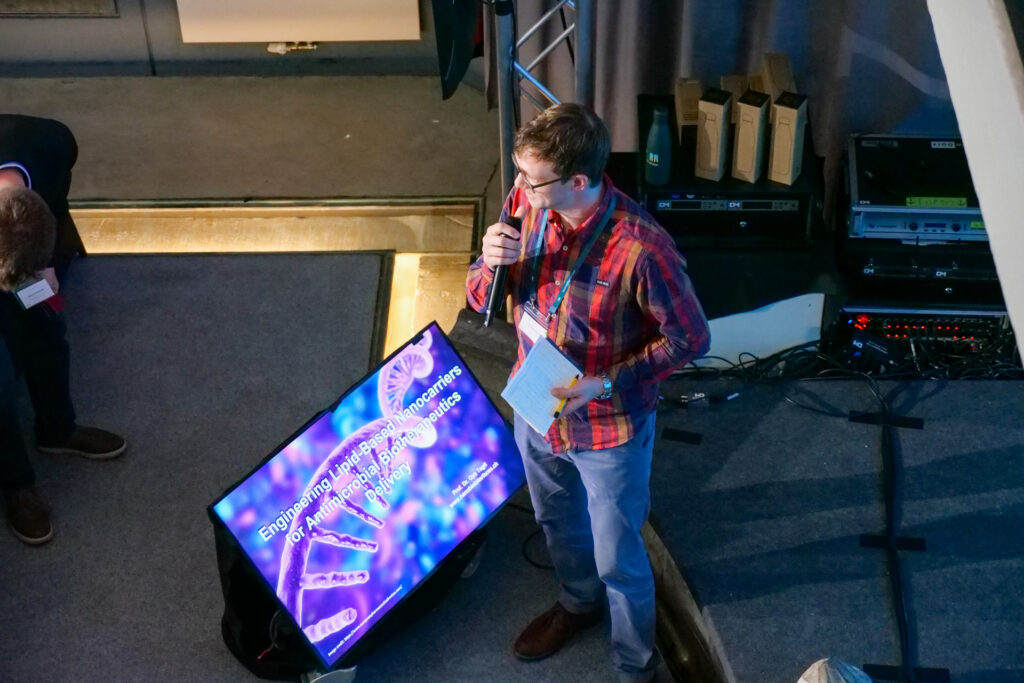
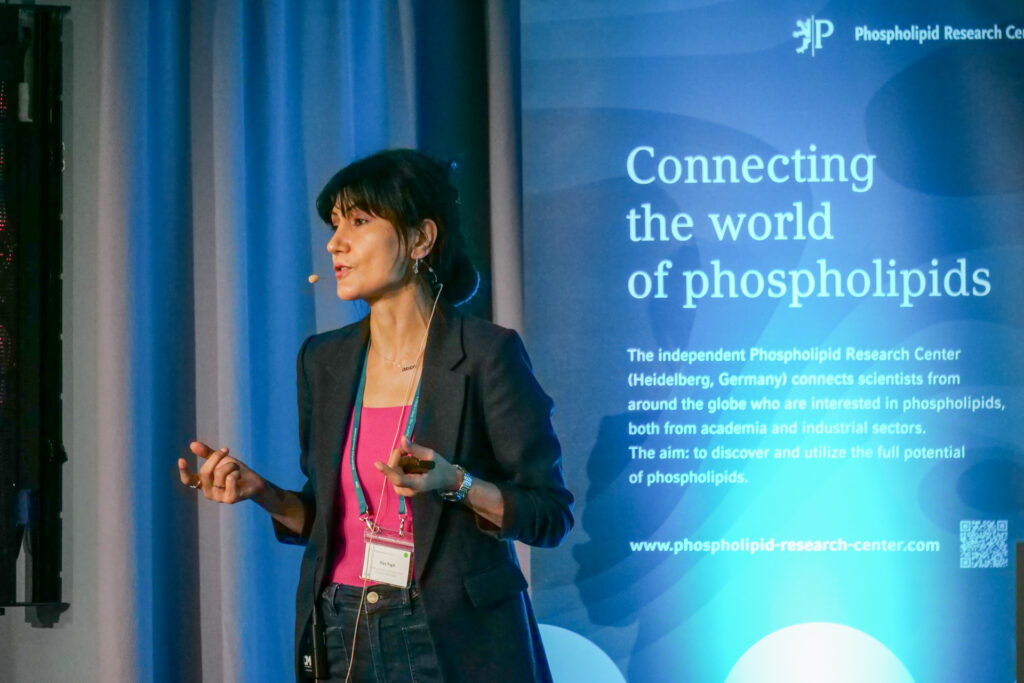
Oya Tagit presented strategies to engineer lipid-based nanocarriers for antimicrobial biotherapeutics, with particular emphasis on antimicrobial peptides and nucleic acid-based approaches. Her work illustrated how surface chemistry, carrier architecture, and formulation design can be tuned to improve stability, biocompatibility, and delivery performance.
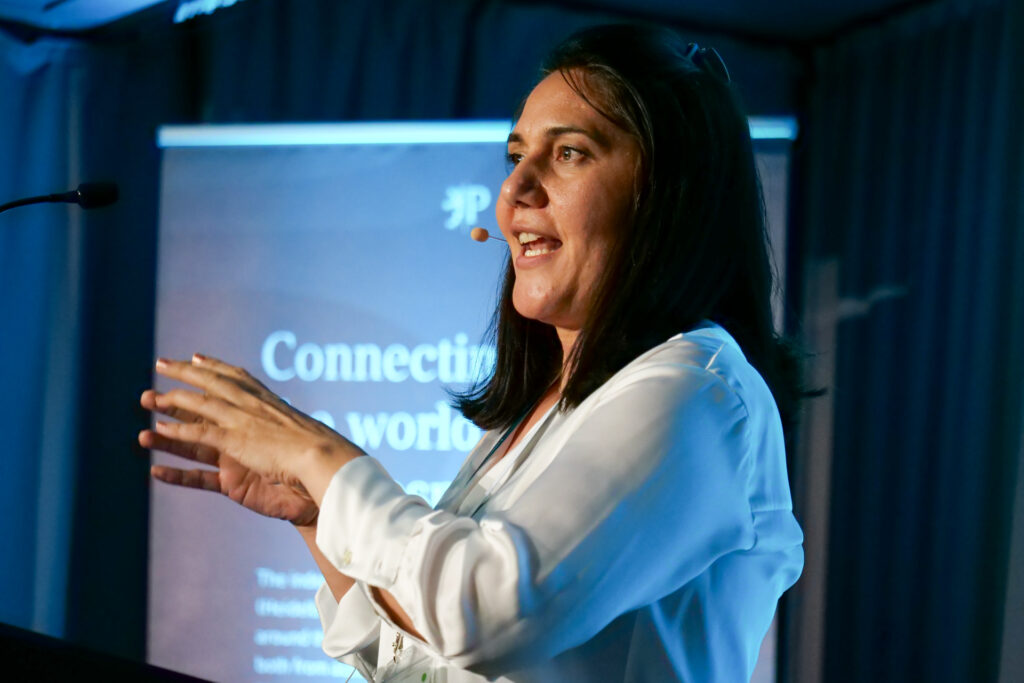
Zahra Gounani (short talk) focused on liposomal formulations against bacterial biofilms, including pH- and light-responsive systems developed to enhance activity against resistant bacterial communities and complex dual-species biofilms.
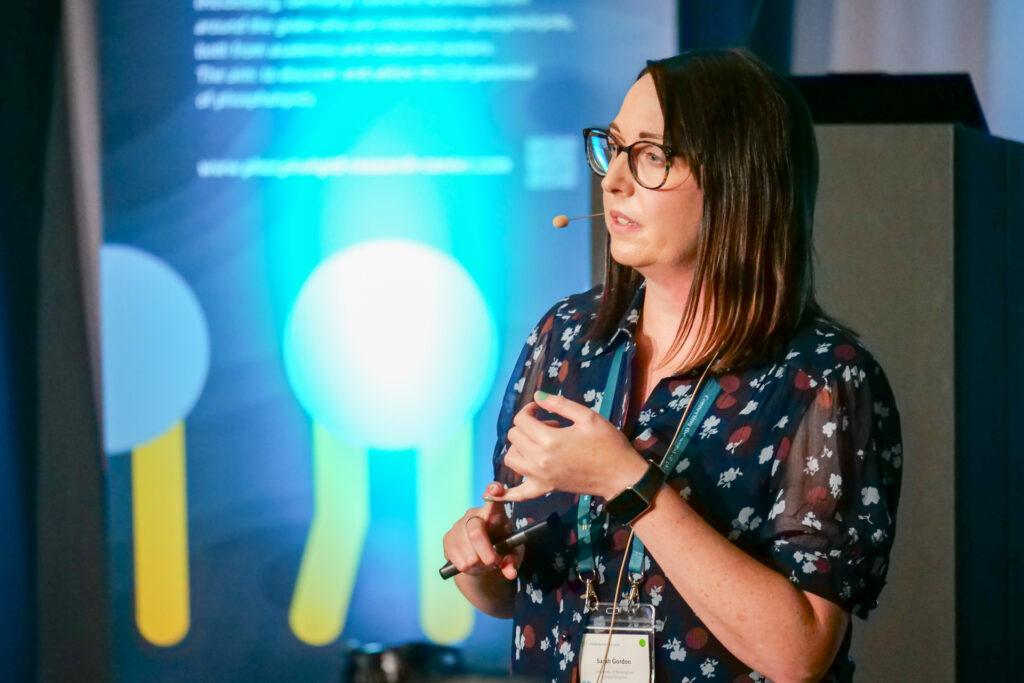
Sarah Gordon concluded this session with a detailed investigation of how different liposome formulations interact with Gram-negative bacterial cell envelopes. Combining biophysical membrane models with microbiological studies, her work highlighted the importance of lipid composition and surface charge in determining bacterial membrane interaction and identified cationic formulations as particularly promising candidates for further antimicrobial development.
Presentation Oya Tagit
Presentation Zahra Gounani
Presentation Sarah Gordon
Award Ceremony: Thudichum Life Awards
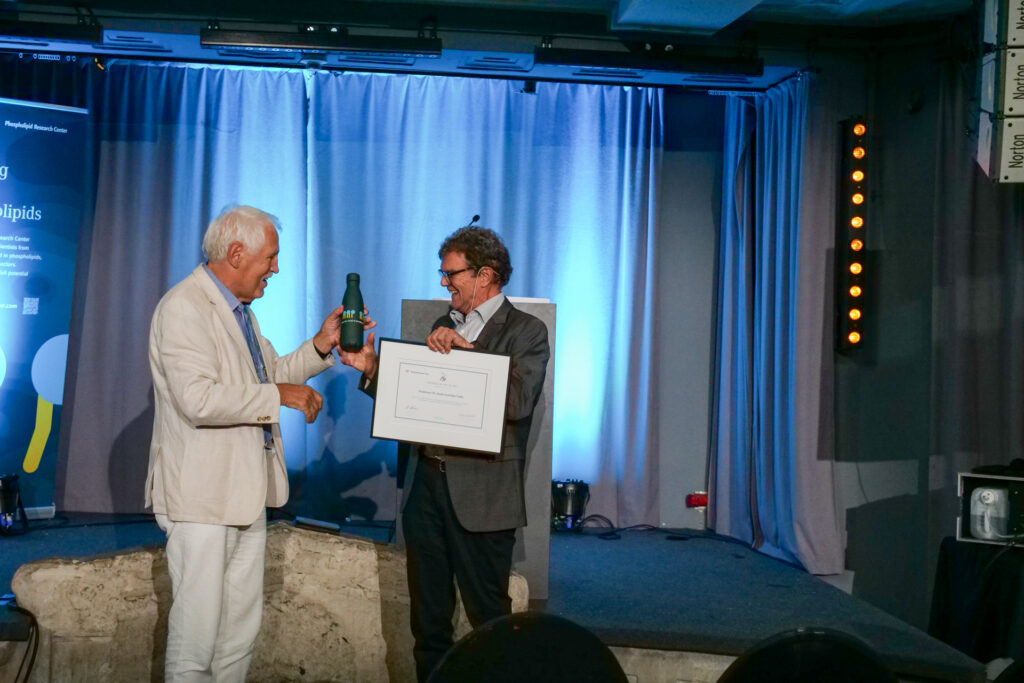
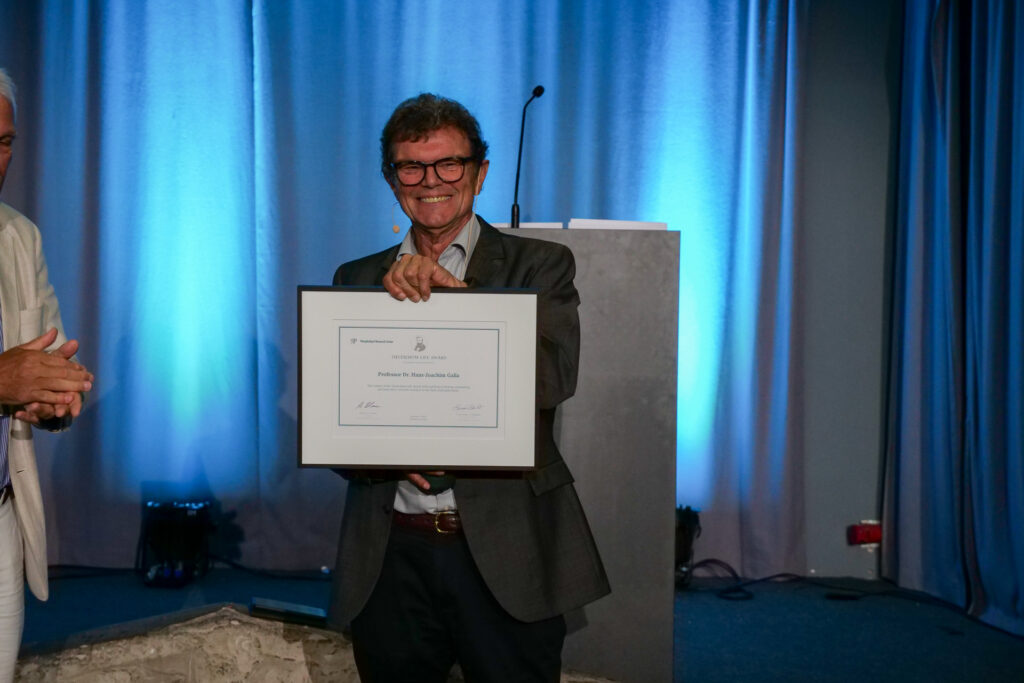
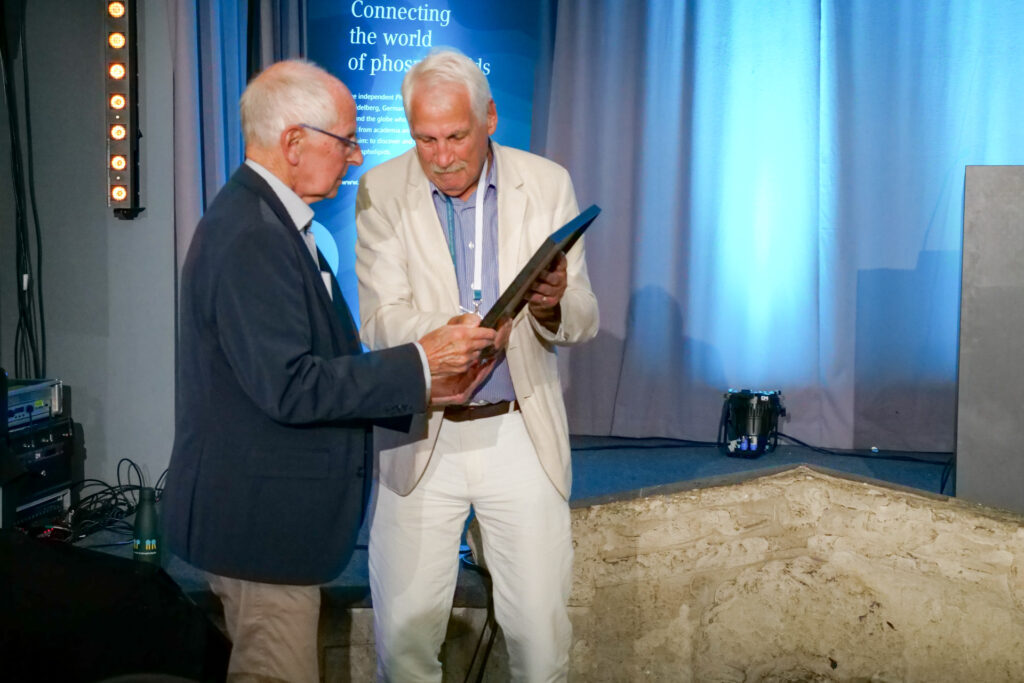
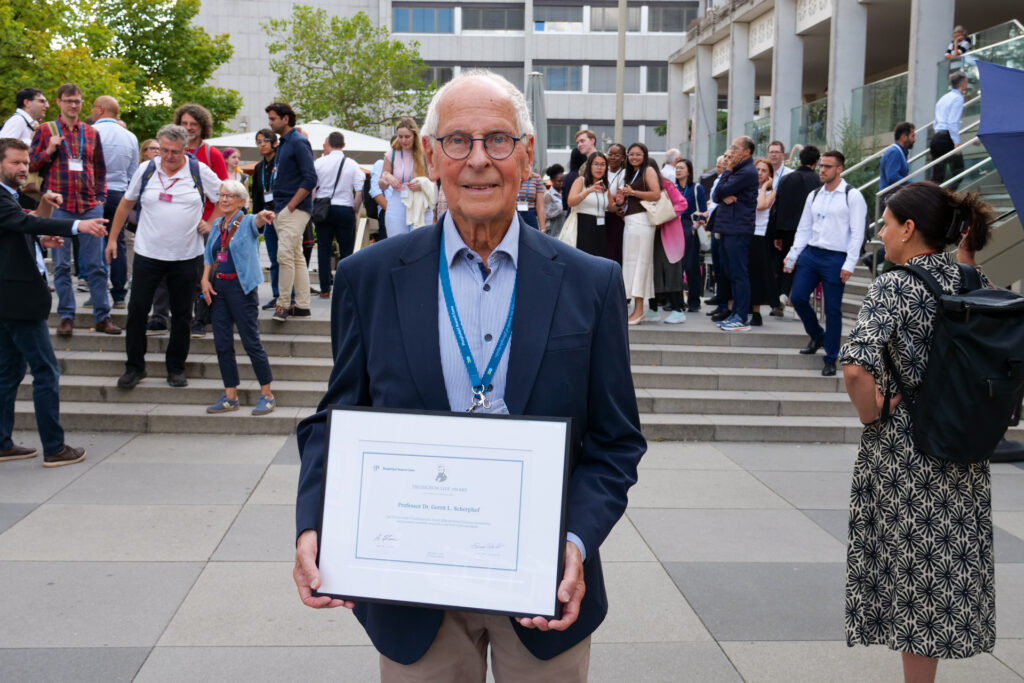
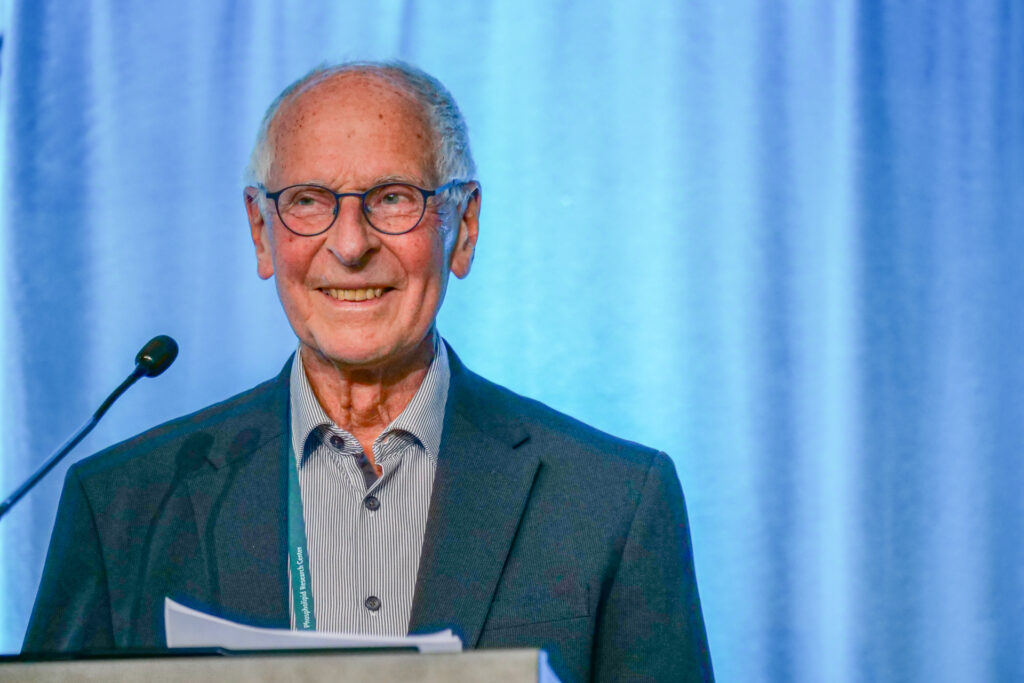
A special highlight of the symposium was the presentation of two Thudichum Life Awards and, for the first time, two corresponding award lectures honoring outstanding lifetime contributions to phospholipid research.
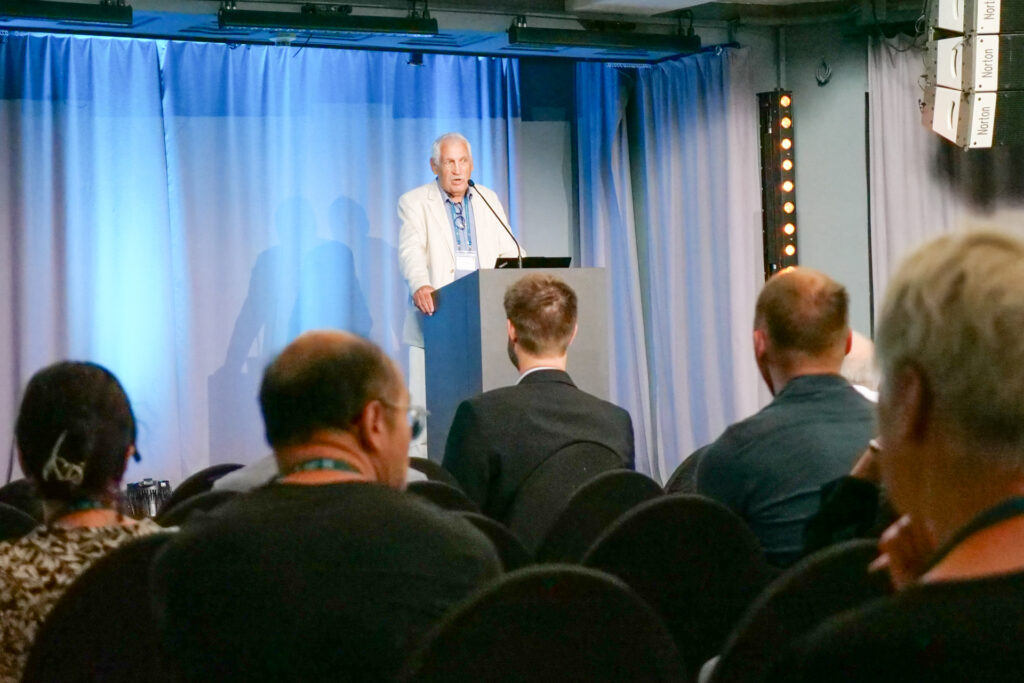
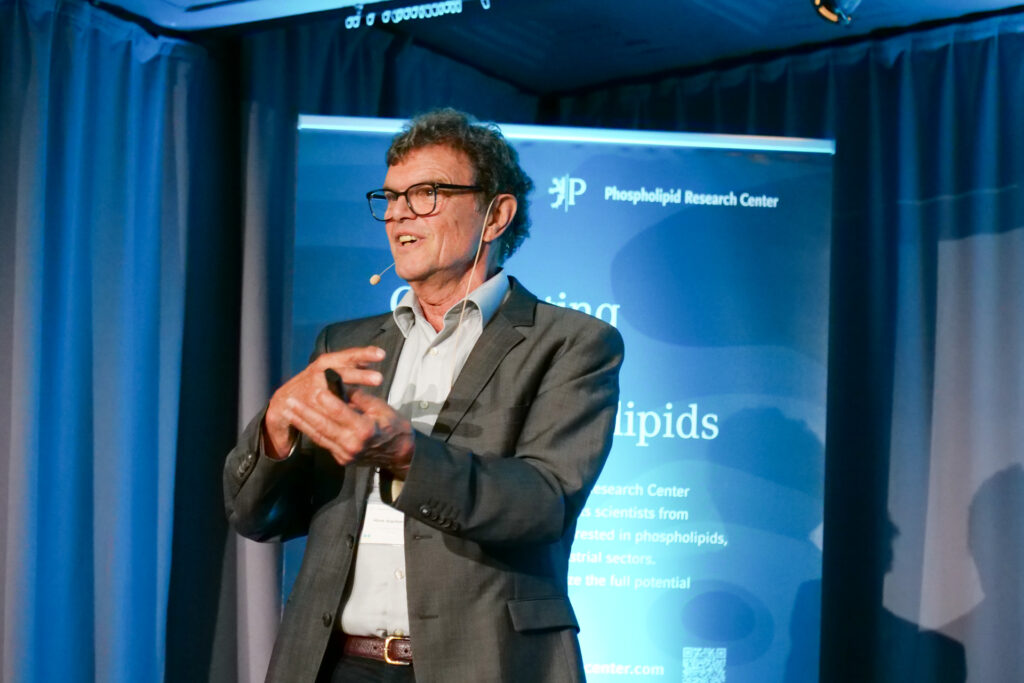
Hans-Joachim Galla reflected on more than five decades of lipid membrane biophysics, tracing developments in phase transitions, lateral diffusion, domain formation, lipid-protein interactions, and membrane barrier properties. His lecture demonstrated how progressively refined model membrane systems have contributed to our current understanding of biological membranes and their physiological functions, including the blood-brain barrier.
Gerrit L. Scherphof followed with a highly personal scientific retrospective entitled “A life with phospholipids”. Beginning with his early work on mitochondrial lipids and membrane-bound enzymes, he described how his research evolved into pioneering studies on liposomes, their stability in biological fluids, protein corona formation, cellular uptake, organ distribution, and targeted drug delivery. The lecture connected several early observations from liposome research with concepts that remain highly relevant to modern LNPs today.
Together, the two lectures provided both a historical perspective on the development of phospholipid science and a vivid reminder of how fundamental discoveries made decades ago continue to shape current research in membrane biology and drug delivery.
Session 7: Lipid-Based Formulation, Processing, and Industrial Translation
The third day opened with an industry-focused session linking pharmaceutical development and formulation principles with processing and manufacturing strategies.
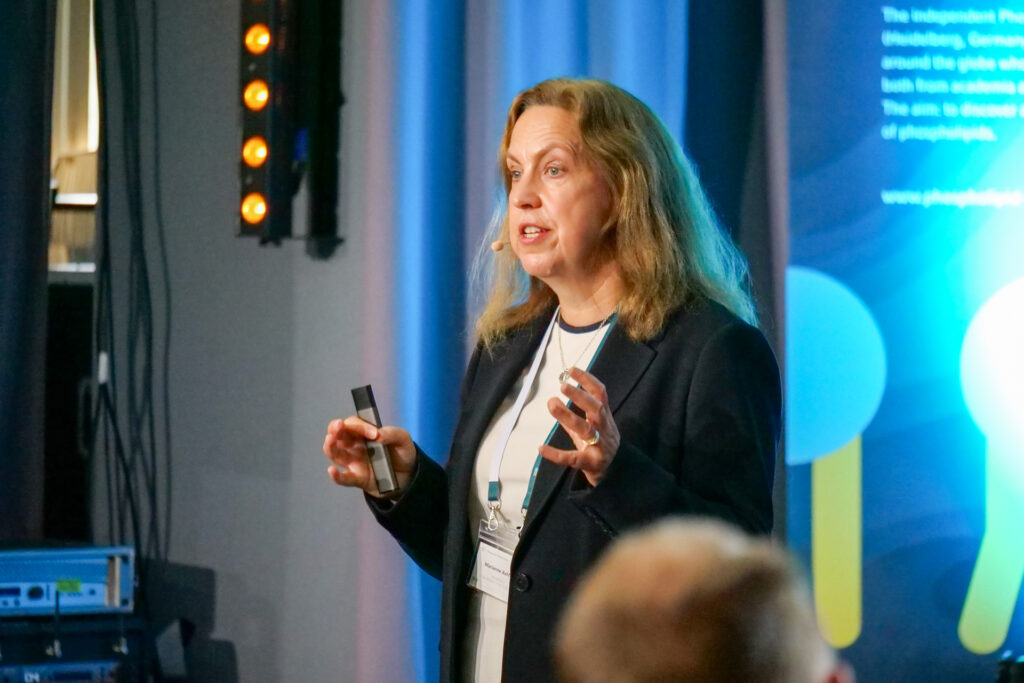
Marianne Ashford opened the session with a development perspective on LNPs, outlining approaches to LNP design for therapeutic gene editing and extrahepatic delivery. Particular attention was given to how lipid composition, formulation strategy, protein corona formation, and targeting ligands influence biodistribution and functional delivery.
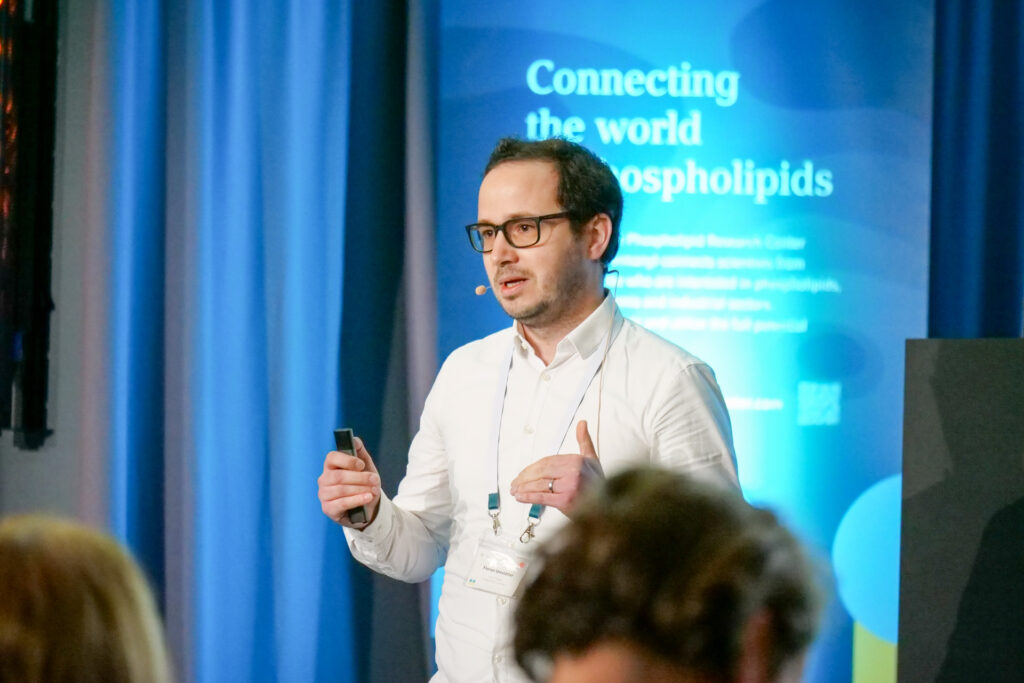
Florian Umstätter (tech talk) highlighted how liposomal pharmacokinetics can be tailored through formulation design to achieve prolonged circulation or controlled drug release. Karsten Mäder (tech talk) demonstrated how phospholipids can modify the wettability, mechanical properties, and biocompatibility of electrospun PLGA scaffolds. Rasmus Münter (tech talk) presented sterol-free LNP formulations that retained key physicochemical properties, freeze-thaw stability, and in vitro transfection performance when helper and ionizable lipids were carefully selected.
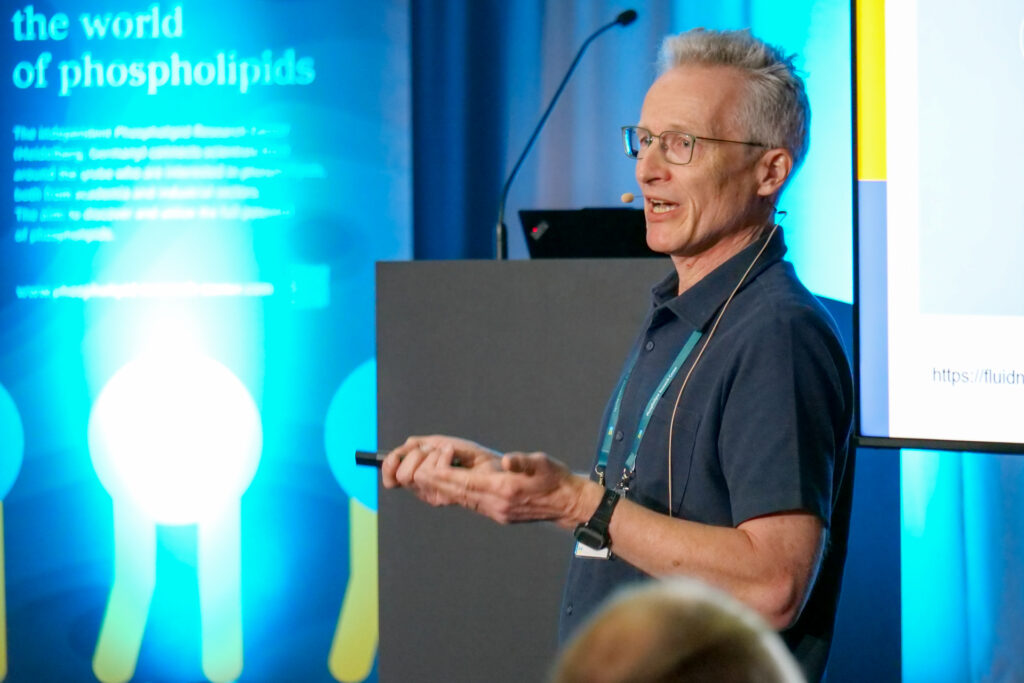
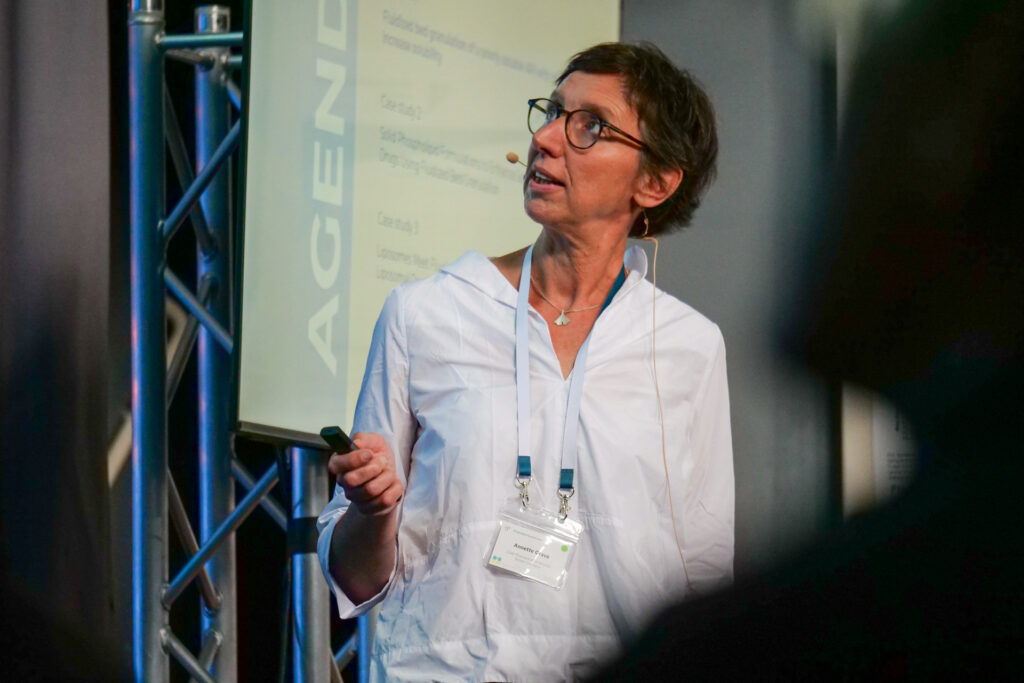
Concluding the session, Annette Grave moved beyond classical nanoparticle formulations and demonstrated the use of phospholipids in fluidized-bed processing to improve the dissolution of poorly soluble drugs and enable subsequent tablet manufacture. Together, the session illustrated the broad technological scope of phospholipids, from advanced LNPs and liposomes to biomaterials and solid pharmaceutical dosage forms.
Presentation Marianne Ashford
Presentation Florian Umstätter
Presentation Karsten Mäder
Presentation Rasmus Münter
Presentation Annette Grave
Award Ceremony: Thudichum Young Scientist Award and Prizes
The final award ceremony recognized outstanding contributions to the symposium:
- Best Short Talk: Michele Grünewald, Leiden University, the Netherlands: Even two amino acids can make the difference: Tailoring the therapeutic success of nanotherapeutics to patients’ genetic differences
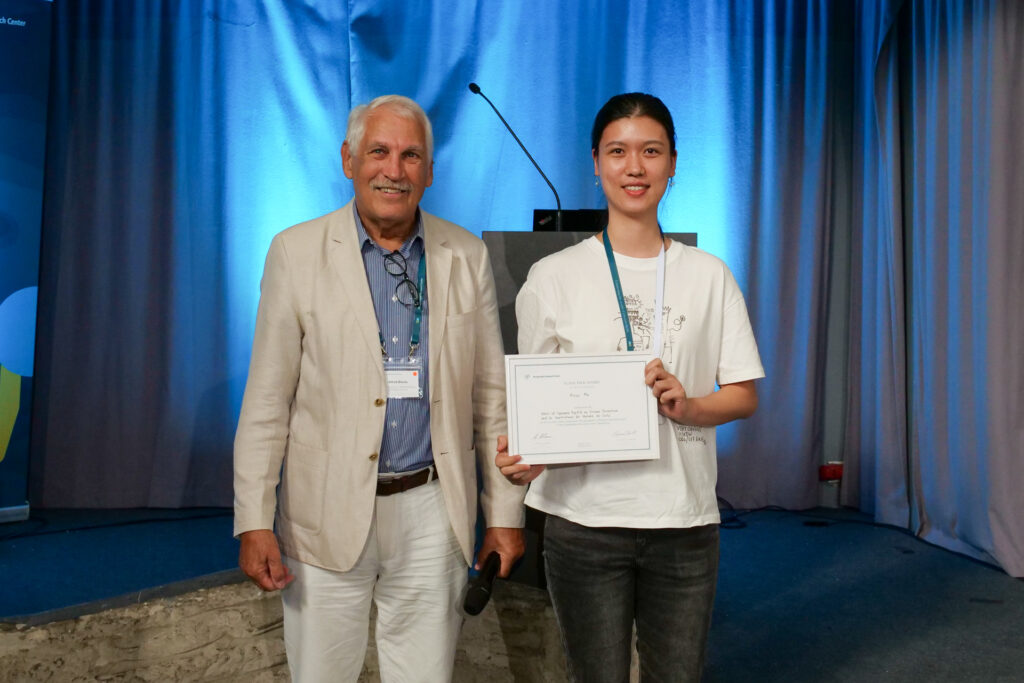
- Best Flash Talk: Xinyu Ma, University of Groningen, the Netherlands: Effect of Liposome Rigidity on Corona Formation and Its Implications for Uptake by Cells
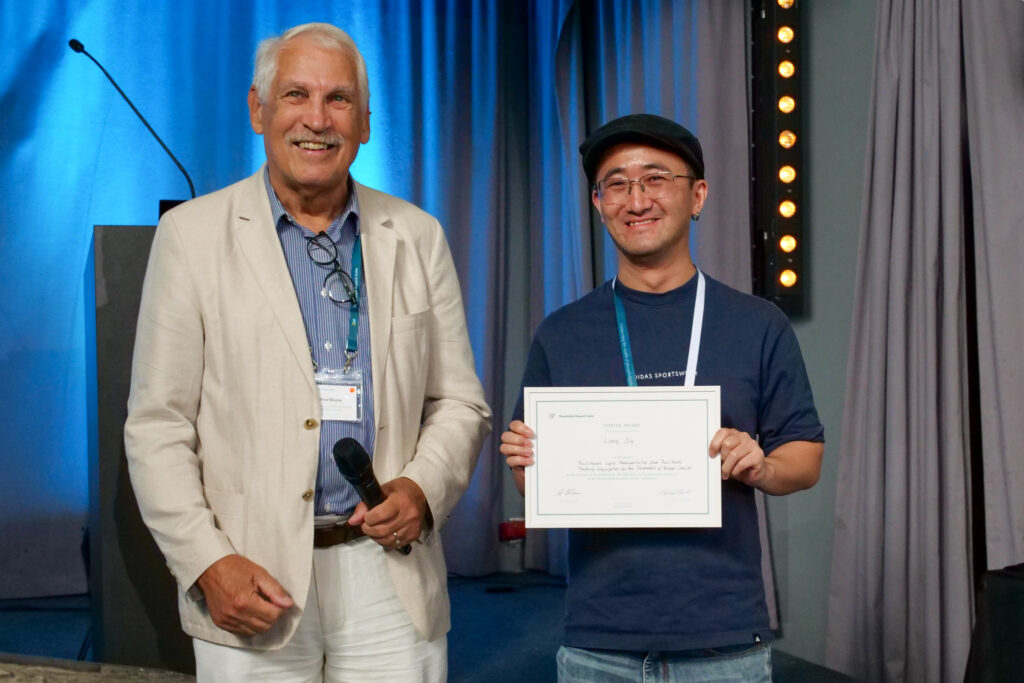
- Best Poster: Liang Jia, Erasmus Medical Center, Rotterdam, the Netherlands: Paclitaxel Lipid Nanoparticles from Paclitaxel Prodrug Conjugates for the Treatment of Breast Cancer
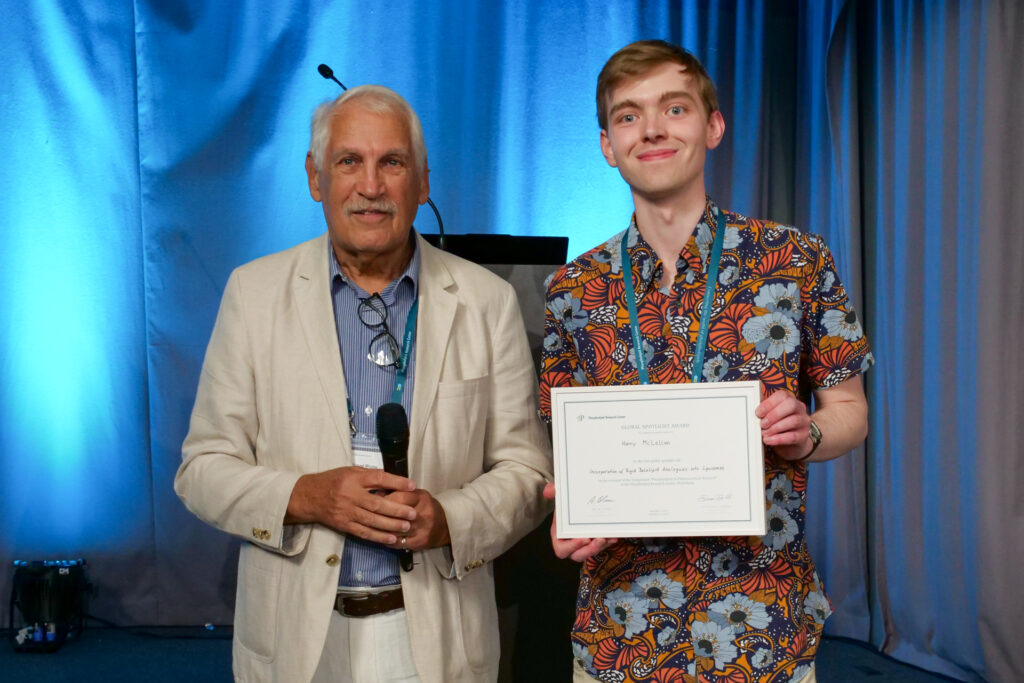
- Global Spotlight Award: Harry McLellan, University of Otago, Dunedin, New Zealand: Incorporation of Rigid Bolalipid Analogues into Liposomes
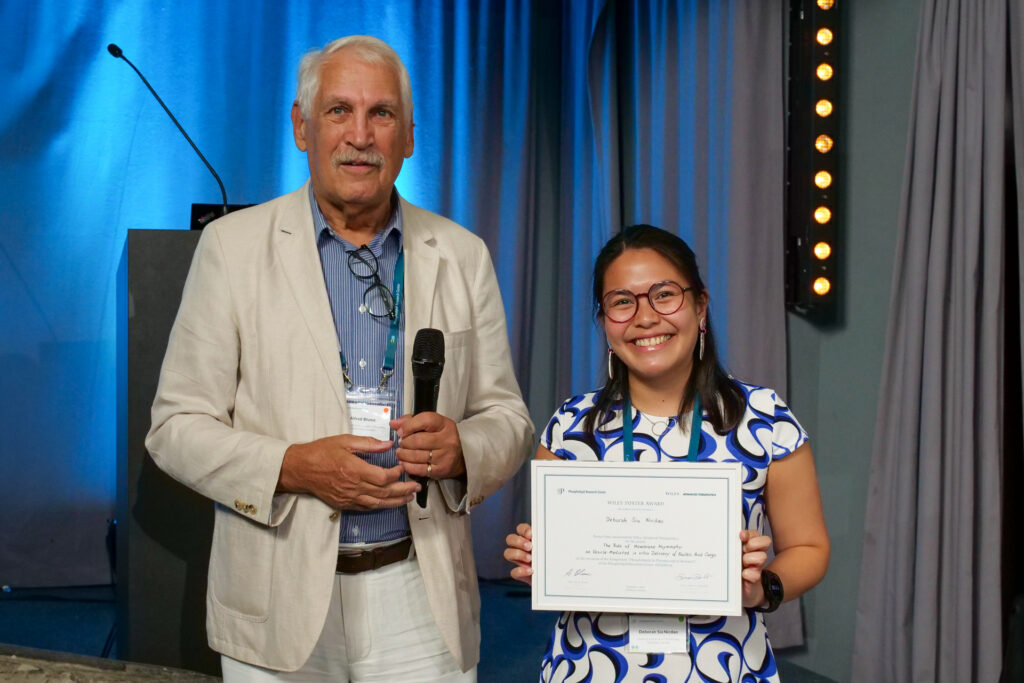
- Wiley – Advanced Therapeutics Poster Prize: Deborah Sia Nicdao, Chalmers University of Technology, Gothenburg, Sweden: The Role of Membrane Asymmetry on Vesicle-Mediated In Vitro Delivery of Nucleic Acid Cargo
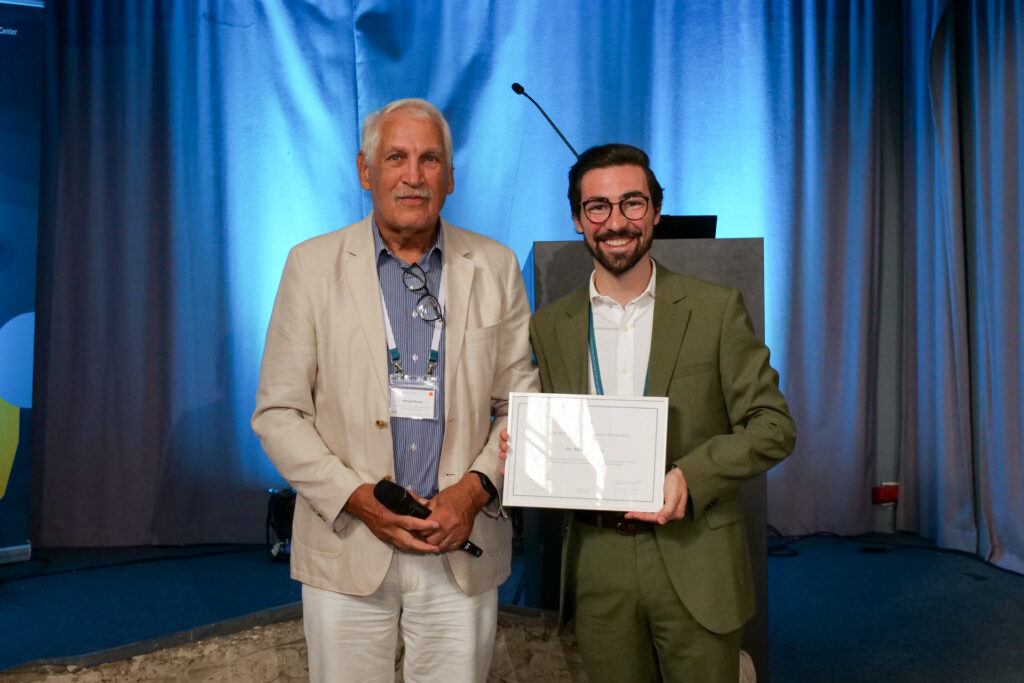
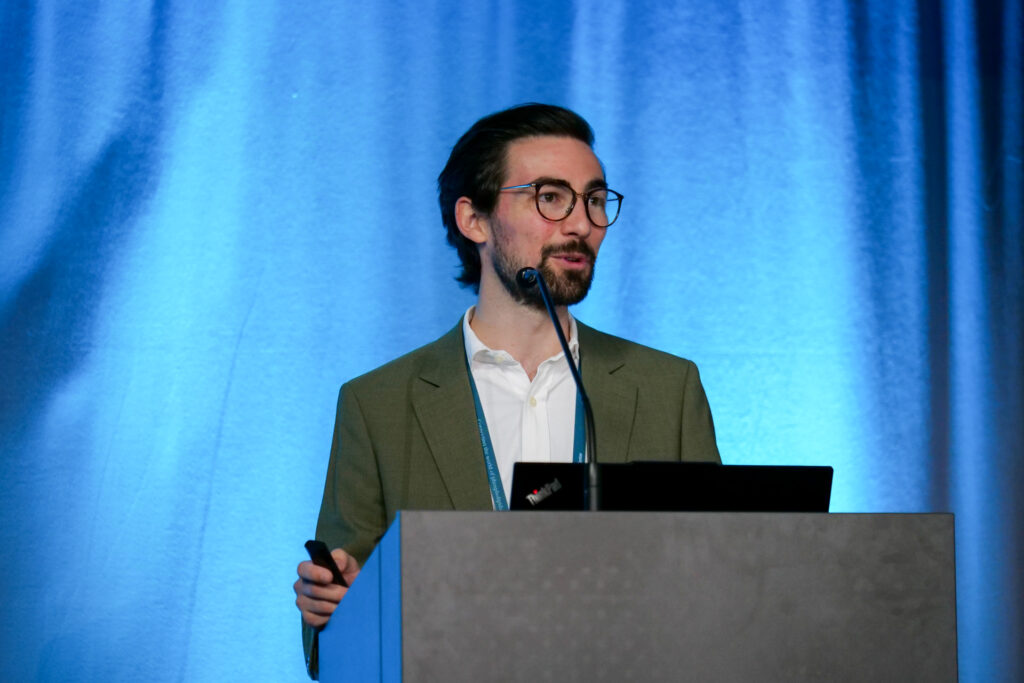
Remo Eugster received the Thudichum Young Scientist Award and delivered the closing scientific lecture, From Computational Design of Responsive Liposomal Depots to Predictive Microfluidic Manufacturing. His work combined mechanistic formulation design with computational modeling, alternative preclinical testing, additive manufacturing, and machine learning. Examples ranging from responsive liposomal depots to predictive microfluidic manufacturing illustrated the shift toward more data-driven development of phospholipid-based drug delivery systems.
Conclusion
Overall, the 9th International Symposium on Phospholipids in Pharmaceutical Research demonstrated the remarkable breadth of contemporary phospholipid research, spanning fundamental membrane biophysics, advanced drug delivery, immune modulation, anti-infective strategies, and industrial translation. Equally important, the meeting showed how strongly the field benefits from the interplay between fundamental science, technological development, and international exchange across generations and disciplines.
Acknowledgements
The Phospholipid Research Center sincerely thanks all speakers, poster authors, session chairs, and members of the Scientific Advisory Council for their contributions to the scientific program. We also thank everyone involved in the organization and on-site coordination of the symposium.
Our sincere thanks also go to all sponsors and exhibitors whose support and participation contributed to the success of the meeting and enriched the exchange between academia and industry.
Most importantly, we thank all participants for their active involvement, lively discussions, and the open and collegial atmosphere throughout the meeting. We look forward to welcoming the international phospholipid community again at our next symposium in Heidelberg.
Jury
The jury for the Thudichum Life Award consists of members of the Scientific Advisory Council and the Board of the PRC; the jury for the Thudichum Young Scientist Award consists of members of the Scientific Advisory Council.
The Board
- Prof. Dr. Alfred Blume
- Prof. Dr. Gert Storm
- Dr. Peter Hölig
- Mr. Andreas Kolodziej
Scientific Advisory Council 2026
- Prof. Dr. Alfred Blume
- Prof. Dr. Gert Fricker
- Dr. Peter Hölig
- Prof. Dr. Andreas Koeberle
- Prof. Dr. Judith Kuntsche
- Prof. Dr. Paola Luciani
- Dr. Frank Martin
- Prof. Dr. Gert Storm
- PD Dr. Peter van Hoogevest